Fall sale!
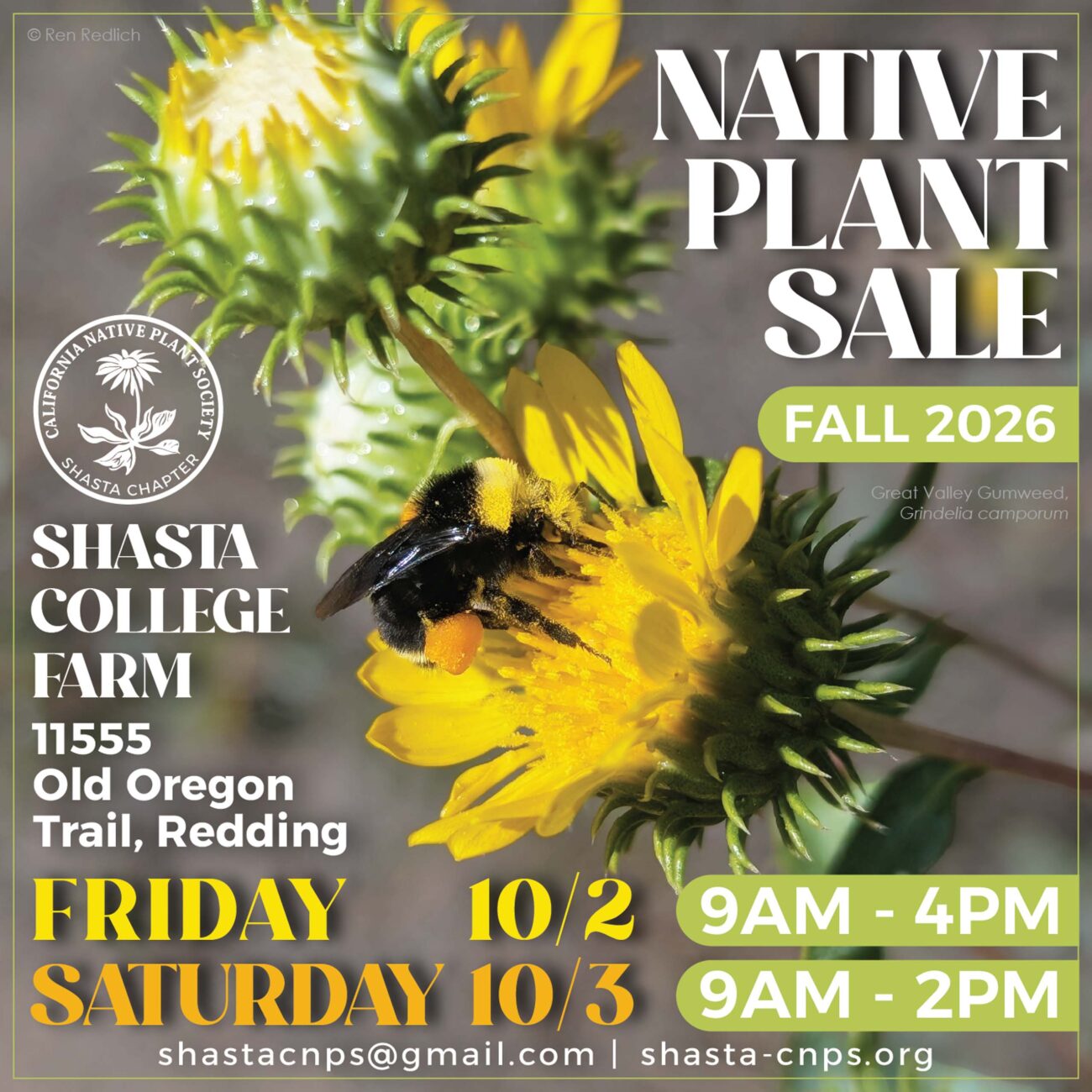
Hey everybody! The Fall 2026 Native Plant Sale will be here in a flash—on the first weekend in October! That’s Friday, October 2, from 9 AM to 4 PM, and Saturday, October 3, from 9 AM to 2 PM. Mark your calendars and dream big for supporting California’s diverse bees, moths, butterflies, and birds!
We also have a members-only pre-sale on the Thursday before the general sale opens: October 1 from 4 to 6 PM. Bring something to show you are currently a member, such as a recent Flora magazine with your name and address on it. Or you can join on the spot!
Volunteers make a difference
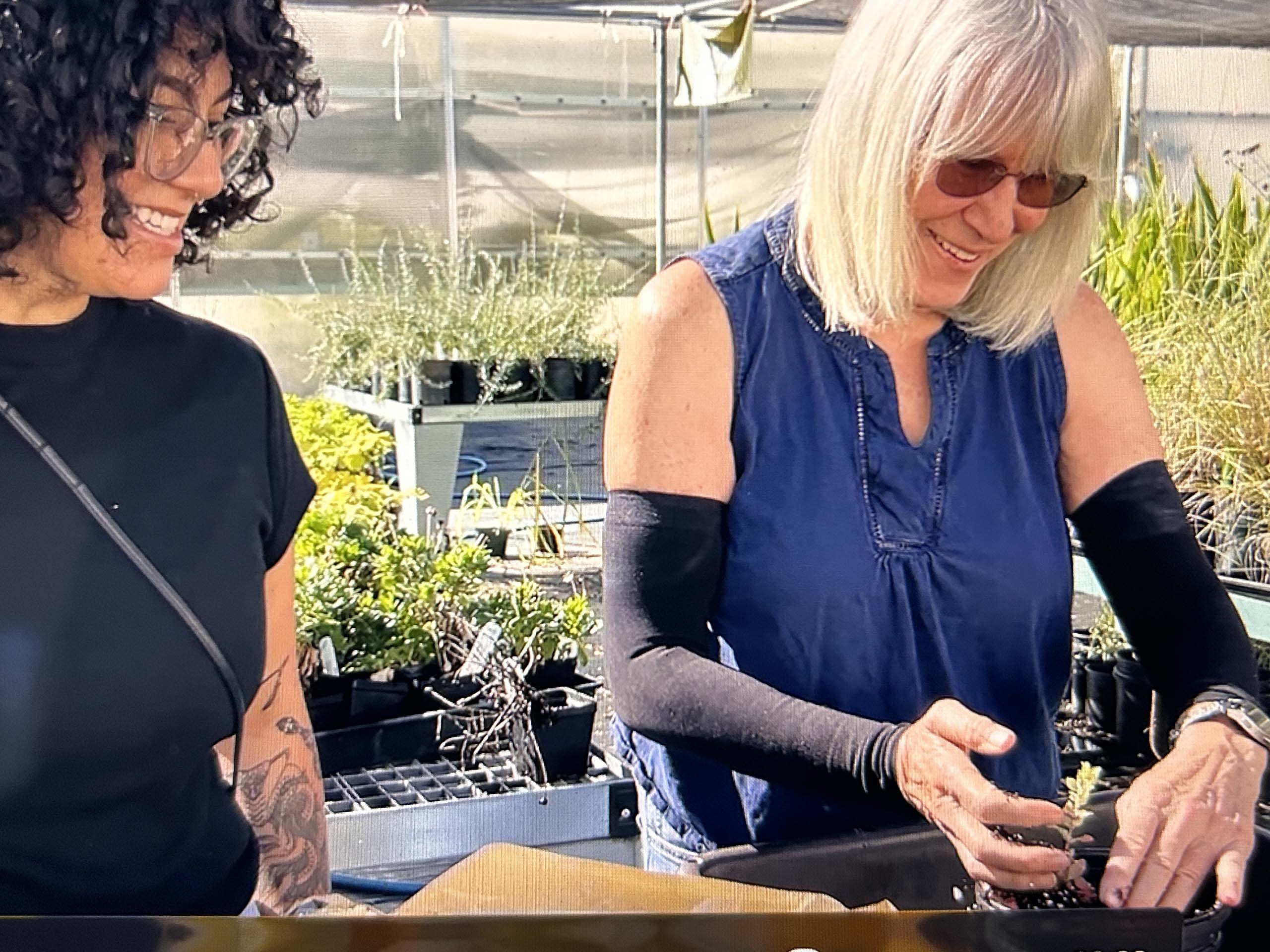
Shasta Chapter CNPS volunteers have been busy this summer transferring young plants to roomier containers so that they will be in excellent condition to plant in your pollinator garden this fall. In July, Connie Hunziker continued with us on Tuesday and Thursday mornings from 9 to 11 AM. We got hundreds of plants into new quarters, many thanks to Connie! It’s wonderful to see the plants respond. Often within just a couple days there is noticeable new growth. Who says plants don’t move?
And at the end of July, we welcomed another new volunteer, Sabrina Vallejo, who will help with communications via photography and video. Our members and the general public will have a better view of what is happening in the nursery with Sabrina’s help.
Shasta Chapter CNPS’ nursery hours at the Shasta College Horticulture Department greenhouses are 9 to 11 AM on Tuesdays and Thursdays through August. If you want to volunteer, please let me know by emailing shastacnps@gmail.com a day or more ahead. Please come join us!
Fall is the best time to plant!
While the sizzle of summer is still here, it’s good to know that we already have six weeks behind us. Cooler days are ahead. And good planting weather is almost guaranteed in October thanks to the extra strong El Niño this year. Take advantage of this most favorable fall for starting a native garden or adding more diversity to native plantings you now have.
When you plant natives in October, the remaining warmth and moderate day length are ideal for new plantings to get their roots established. New plantings can then benefit from intermittent sunny days through the winter and will be primed for vigorous early spring growth. By the first summer, a fall-planted native perennial will need only minimal supplemental water. The “head start” you give to a fall-planting means that you have also maximized the growth rate and minimized the wait for the first flowers and fruits. The birds might even thank you. Or at least you’ll get to see them sooner!
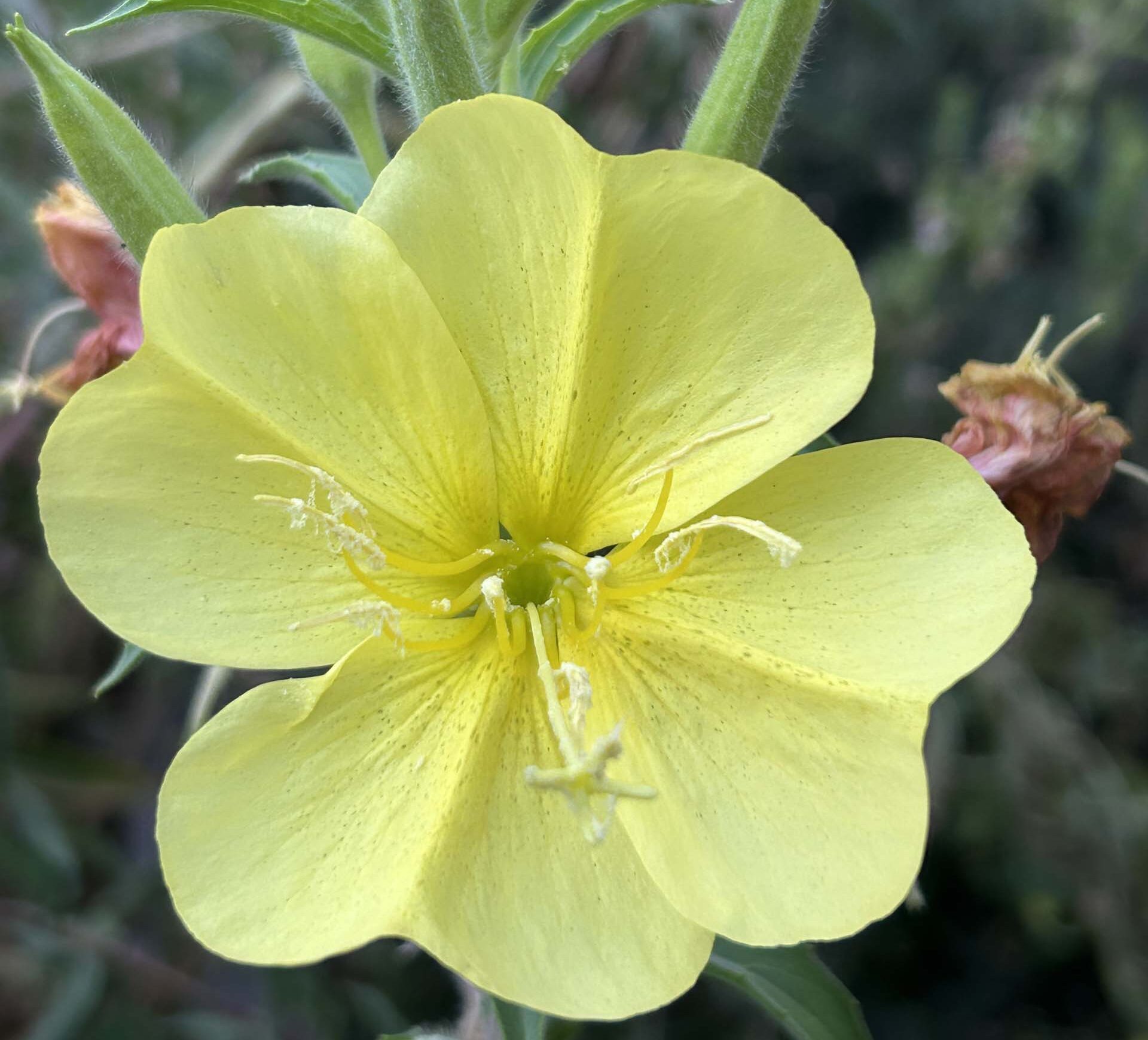
It is a delight to see robins and bluebirds feasting on berries in a native hedgerow in the middle of winter. And then in February, enjoy the first spring flowers and their pollinators on the California lilacs (Ceanothus spp.) and California pipevine (Aristolochia californica). The benefits that native plantings provide to insects, birds, and gardeners happen year-round. In August, there will be native sunflowers, evening primroses, buckwheats, and California fuchsias coming soon.
There is no more delightful way to sequester carbon and protect biodiversity than planting native plants! ~MaryAnn McCrary, Volunteer Nursery Manager