Golden State Natural Resources nixes wood pellet plant plans
In a welcome development, Golden State Natural Resources (GSNR) pulled the plug on their proposed wood pellet plants in Nubieber and Tuolumne County after seeing the pushback from many environmental groups and an opposition petition of over 50,000 signatures.
While many groups wrote comments on the Draft Environmental Impact Report (DEIR), including state CNPS, the long, detailed letter by the National Resource Defense Council (NRDC) may have convinced GSNR not only of the weakness of the DEIR, but also of the folly of their plans. A copy of the NRDC press release can be found here: California’s Largest Proposed Wood Pellet Project Defeated.
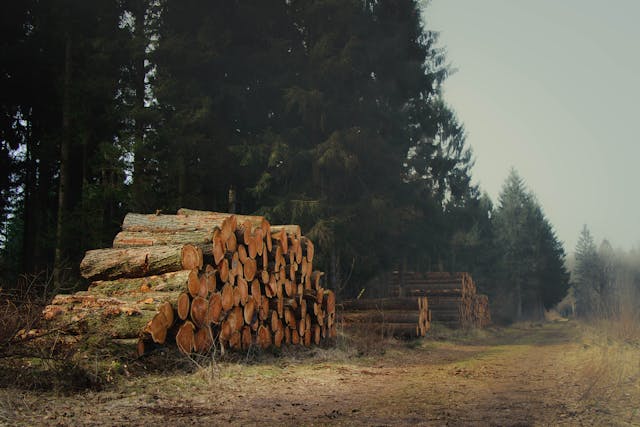
The original GSNR plan was to haul logs from forests within a 100-mile radius of each plant, convert the logs to wood pellets, and ship them worldwide to former coal-burning power plants. The plants receiving shipments would get carbon credits, and various countries would be allowed to claim credit for using “renewable” energy and reducing carbon releases. However, this process actually produces more greenhouse gases than does burning high-grade coal.
The remaining problem is that GSNR is now planning to go forward with a program of biomass electricity plants that will still put pressure on our National Forests through competition with timber companies for logs from “fire resiliency,” “healthy forests,” and “forest thinning” projects. This means logging larger, more fire-resistant trees, and leaving more flammable small trees and slash in the forest to burn with the next fire or in huge slash piles.
CNPS Advocacy Day in Sacramento, June 9
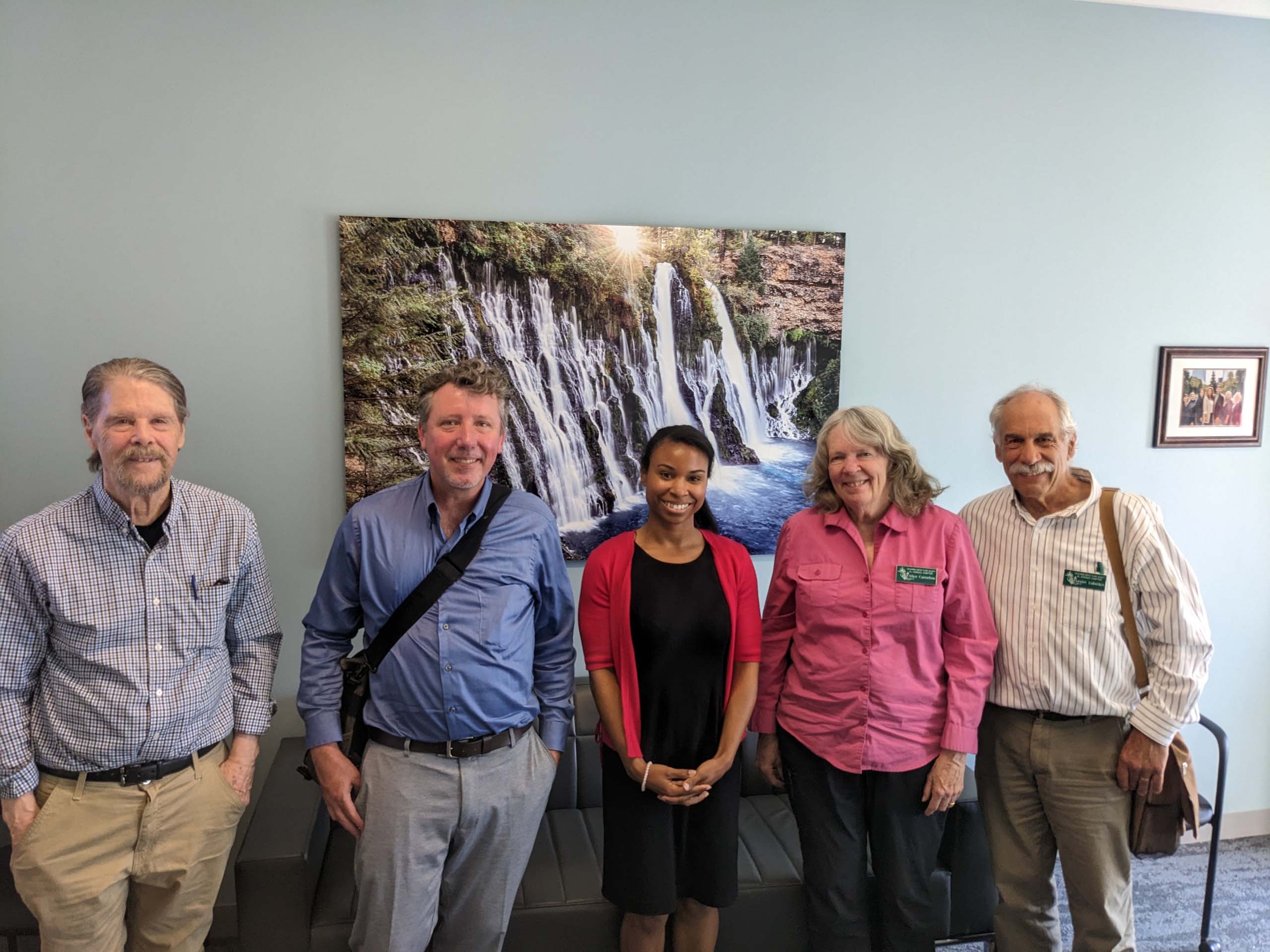
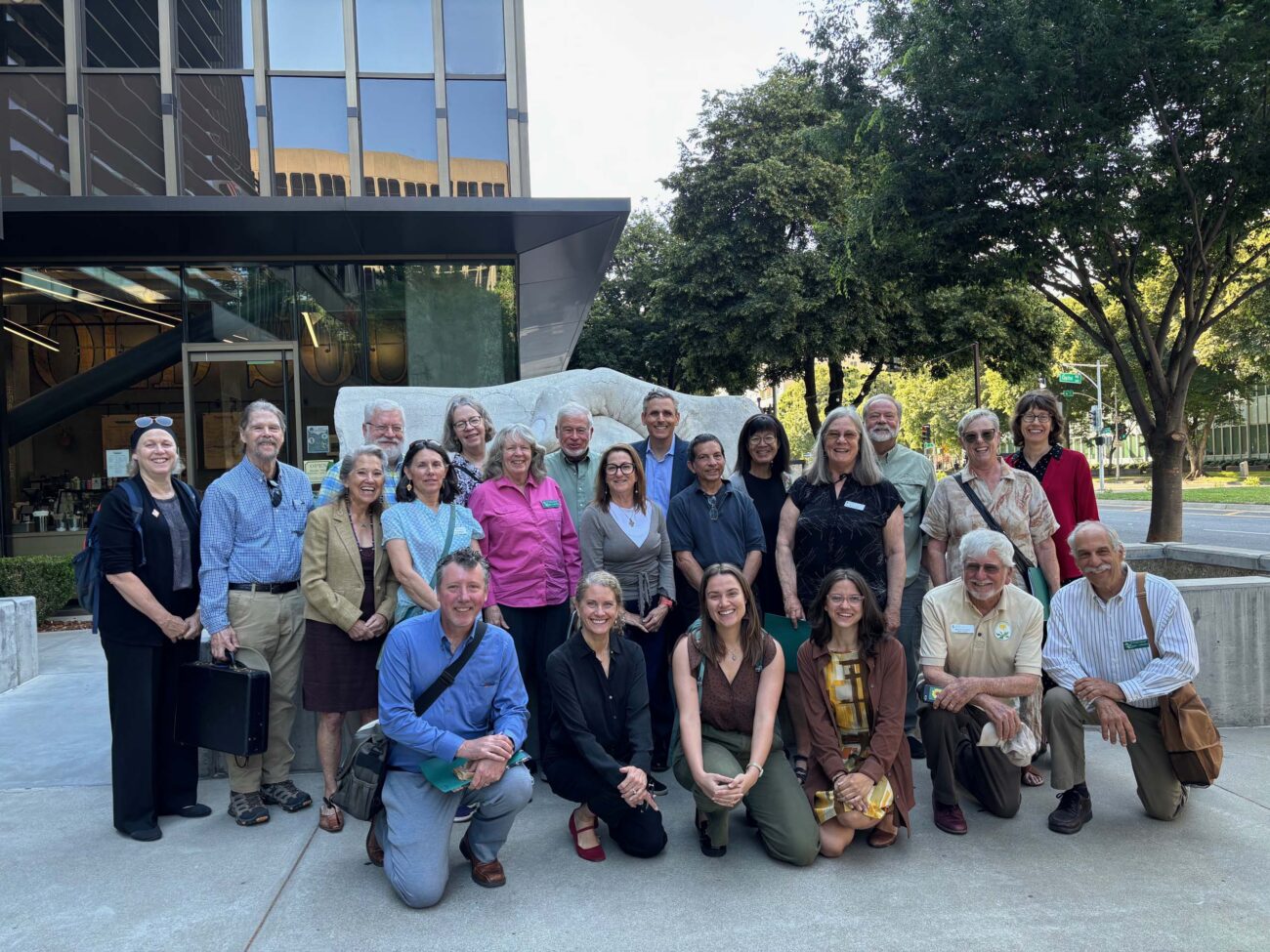
California Native Plant Society held its first Wildfire Advocacy Day on Monday, June 9, 2025, at the State Capitol in Sacramento, taking 15 volunteers and five state CNPS staff to lobby members of the California Legislature. I was honored to represent the Shasta Chapter.
As eight chapters were represented, we split into five regionally based groups to visit a total of 20 different legislators, educating them on various legislation concerning wildfires. We met with staff to explain CNPS positions and concerns about wildfires. While all were polite, some were more “in our camp” than others. At each office, we left a two-page summary of CNPS positions on different legislation, and a booklet on fire safety and issues involving fire as a natural occurrence in forests and woodlands.
One of the bills in the legislation that we covered was SB 687, which would exempt 35 timber harvests of up to 1500 acres from the California Environmental Quality Act (CEQA) for “fuels reduction.” Because timber harvests are expensive, logging the biggest and most fire-resistant trees (over 30 inches in diameter at breast height) is required to make logging profitable, and this doesn’t include clearing brush and small trees.
The bill passed in the Assembly, 56 to 3, with 20 not voting, and is now in the Senate. This indicates to me that we need to educate our legislators, as most don’t understand the euphemisms used to justify logging operations, leading to legislation that can weaken CEQA.
My group was led by CNPS Conservation Program Coordinator Brendan Wilce, who did an excellent job explaining CNPS positions on the various bills to legislators’ staff. CNPS volunteers also shared their individual knowledge and concerns. At its most basic, the CNPS position for fire safety begins with home hardening, vegetation selection, and clearing in the immediate area of homes, and then moves on to some tree thinning and brush removal around the community. CNPS opposes weakening CEQA regulations in order to allow logging operations far from communities, under the guise of fire safety.
I also visited Assemblymember Heather Hadwick’s office by myself, and luckily managed to meet her as she was leaving for a hearing and had a few minutes to talk. A staff member met with me afterward and encouraged me to call or email with any concerns. Former Redding City Councilmember Mark Mezzano, now a Legislative Aide, mentioned hearing of my visit from Hadwick in a conversation I had with him last week.
The entire event was educational. Although we were all pretty burned out by the end of the day, 20 state representatives now know a little more about CNPS concerns regarding our environment and wildfire policy. An added plus in the visit to Sacramento was seeing all the huge trees in the downtown area, something the City of Redding needs.
Two other bills CNPS opposes are AB 550 (unless revised) and SB 607, both of which would weaken CEQA. Following our advocacy day, SB 607 was modified and reintroduced as SB 131, which would expand CEQA exemptions for a variety of projects throughout California, not just infill housing projects. Don’t blame Republicans — this is a “Democrat bill,” supported by Democratic Governor Gavin Newsom and Senator Scott Wiener, a longtime advocate for weakening CEQA. As Governor Newsom said, he would not sign the budget bill without the passage of SB 131, which left legislators in the lurch. Our Assemblymember Heather Hadwick abstained from voting on the bill. Three cheers for Hadwick! Senator Megan Dahle voted against it in the first vote, but later voted for it. It passed by large margins in the Assembly and the Senate and was signed into law by Newsom on June 30.
~David Ledger, Conservation Chair