
Fines, Lawsuit Follow Illegal Grading at the Proposed Clear Creek Gun Club
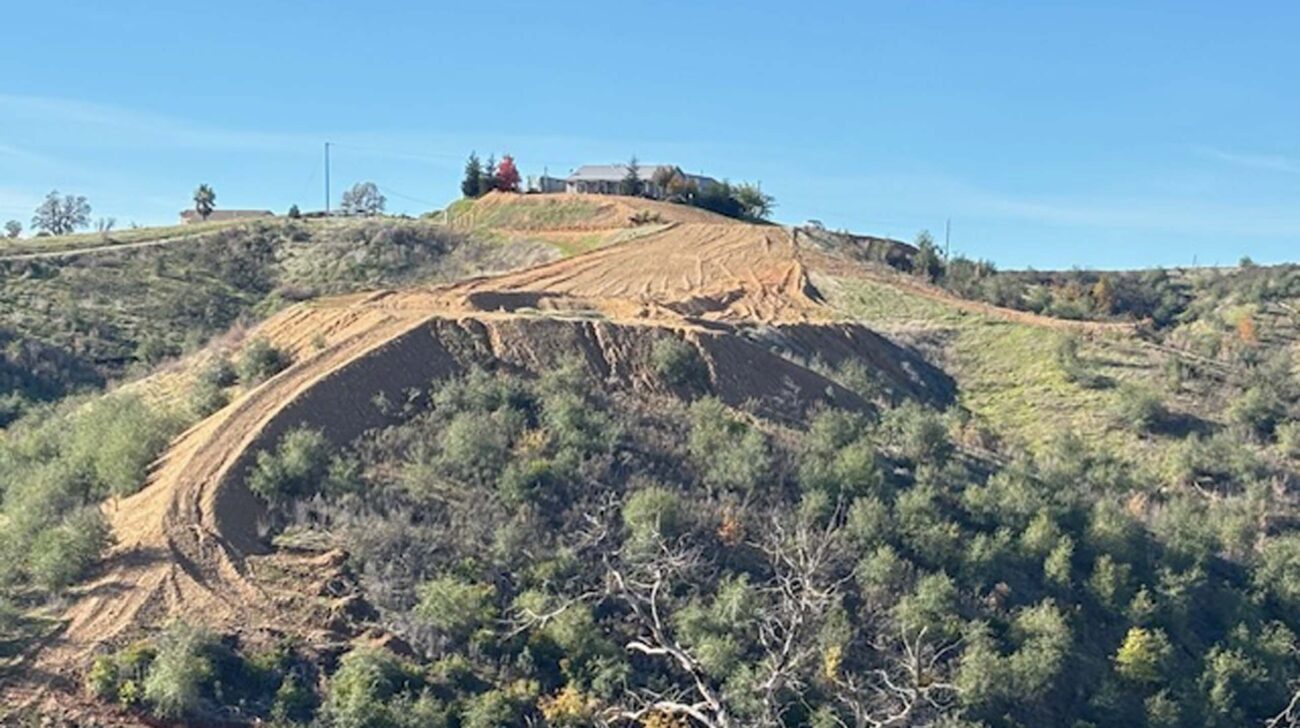
While not directly affecting native plants (due to prior vegetation removal), the landowner west and uphill from Horsetown-Clear Creek Preserve has drawn fines from a Shasta County judge following the illegal grading of a hilltop ridge and unauthorized establishment of “Clear Creek Gun Club” on their property. Lawsuits from the state allege that developments at the site have indirectly affected the entire surrounding natural environment, including native plants
During a recent storm, a significant amount of sediment ran onto the Preserve and into Clear Creek, where an important fisheries restoration project has been ongoing for over 20 years.
Shasta County Resource Development has already levied $119,000 in fines and penalties against the owners of the proposed gun club. In addition, the state has sued the landowners of the proposed gun club on 15 misdemeanor charges of pollution and “diverting or obstructing the natural flow of a river or stream.” The suit follows findings by state investigators in 2025 that at least five tributaries in the Clear Creek watershed were obstructed, polluted, or otherwise negatively affected by violations of California’s Fish and Game code. A hearing on the case is set for July 27, 2026.
===
June 26, 2026 CORRECTION: This article has been updated to remove a photo that was mistakenly placed with the original article. That photo was of a slump of a bank next to Clear Creek Road on a Shasta County right of way; it was not on the property owned by the gun club, and we regret the error. There were several slumps of land below Clear Creek Road in the Shasta County right of way. A severe storm event in December apparently contributed to causing the runoff and sedimentation runoff from both the gun club and Shasta County property. In addition, the reference to “rifle” has been corrected to “shotgun.”
August 3, 2026: This article was rewritten by State CNPS staff. It includes embedded links to documentation that substantiate statements made.
Riverfront Specific Plan
By the time you read this, Shasta Chapter CNPS will have submitted comments on the Riverfront Specific Plan. We focused on protecting native plants in riparian areas, establishing a significant setback from the Sacramento River, and protecting both shrubs and trees. The leaves and woody debris that fall in the river are the basic building blocks of the riverine food web, from Redding to the San Francisco Bay.
Extensive Solar Projects Planned in Shasta County
Based on reliable sources, PG&E is incentivizing solar projects near its high voltage powerlines in southern Shasta County. One project on file with the Planning Department is for 950 acres in southern Millville Plains, next to Millville Plains Road. Many landowners there have been approached about leasing their land for solar projects.
One 25-acre project that was approved by a 3 to 2 vote by the Planning Commission will take out 14 acres of blue oak woodland on a 377-acre parcel, much of which is grasslands, with no trees. This project is being appealed to the Board of Supervisors by many nearby landowners and Battle Creek Alliance (and myself, personally), based on an inadequate Biological Assessment and inadequate mitigation for the removal of blue oaks. The original Biological Assessment listed 4 birds and less than 20 plants, including two manzanitas that do not even grow in Shasta County. After complaints, the solar energy company conducted a more thorough biological review but did not adequately address the removal of narrow-leaved milkweed (Asclepias fascicularis) on the parcel, a species important to monarch butterflies.
Two silver linings did arise from this shady project. First, mitigation was required for the removal of blue oaks at a ratio of planting one tree for every two trees removed, but not to exceed $5000 per acre. Not adequate, but the mere requirement of any mitigation for tree removal is significant in Shasta County. The other silver lining was that two long-time conservative Planning Commissioners voted against the project because it removed important blue oak woodland, and made extensive statements on this issue. One Commissioner even stated that the County needed a stronger tree ordinance. ~ David Ledger
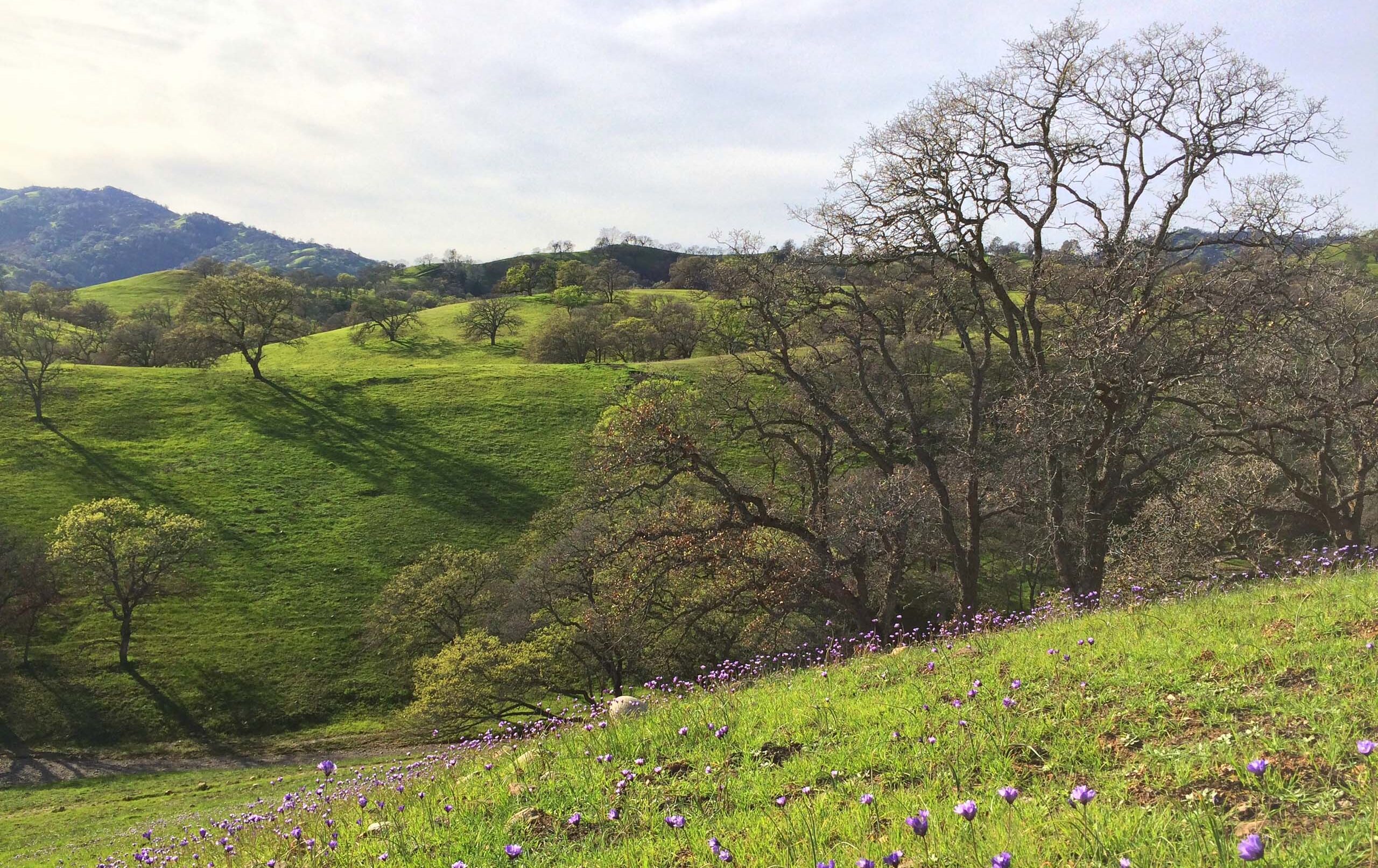
Photo taken by Ryan DiGuadio on February 12, 2015.