
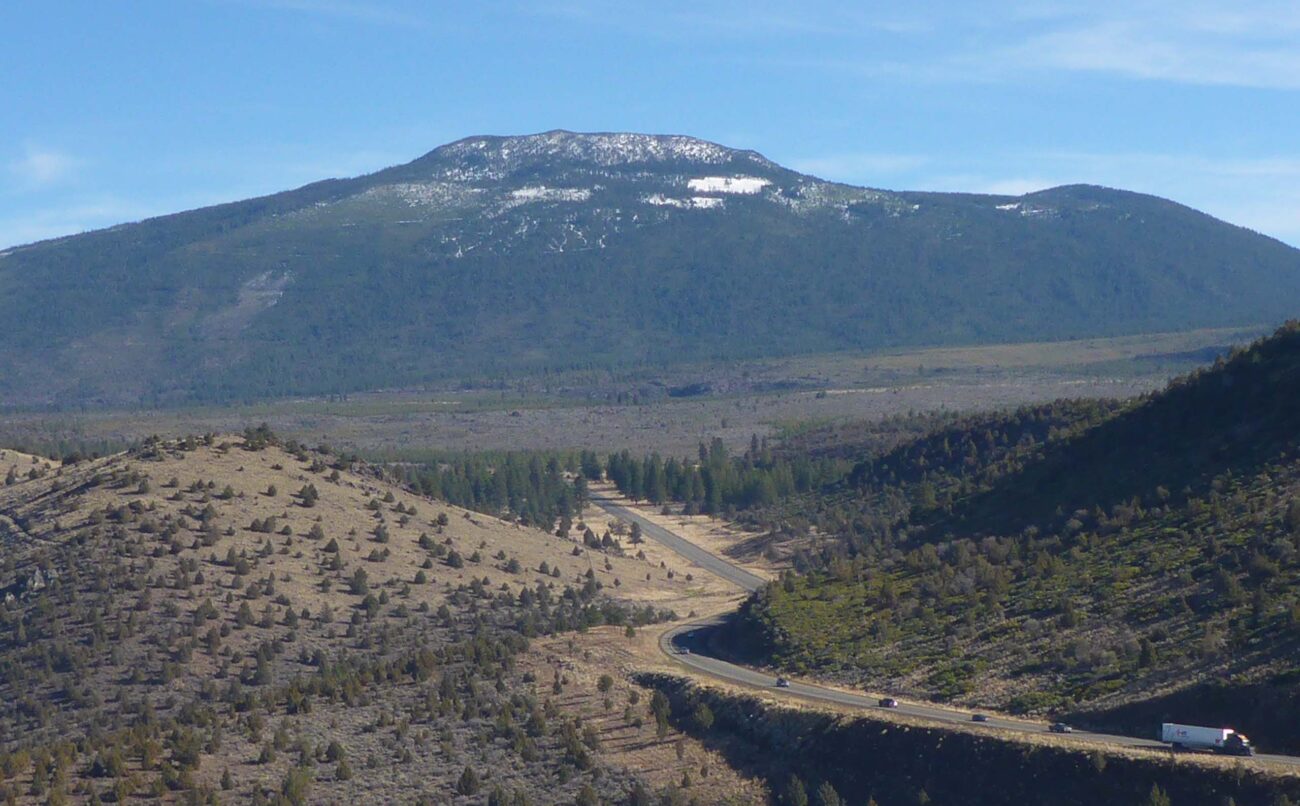
Kick-off event, June 18
A small handful of Siskiyou County folks interested in the region’s native flora and fauna met to watch Doug Tallamy talk to the Oregon State University Land Stewards on Zoom. We learned about the myriad of caterpillars feeding on our native plants—caterpillars that make soft squishy noms for baby birds. One participant was so inspired she bought an oak tree the very next day! You can watch the recording here: Nature’s Best Hope with Doug Tallamy.
Mt Shasta Audubon’s Moth Night, June 25
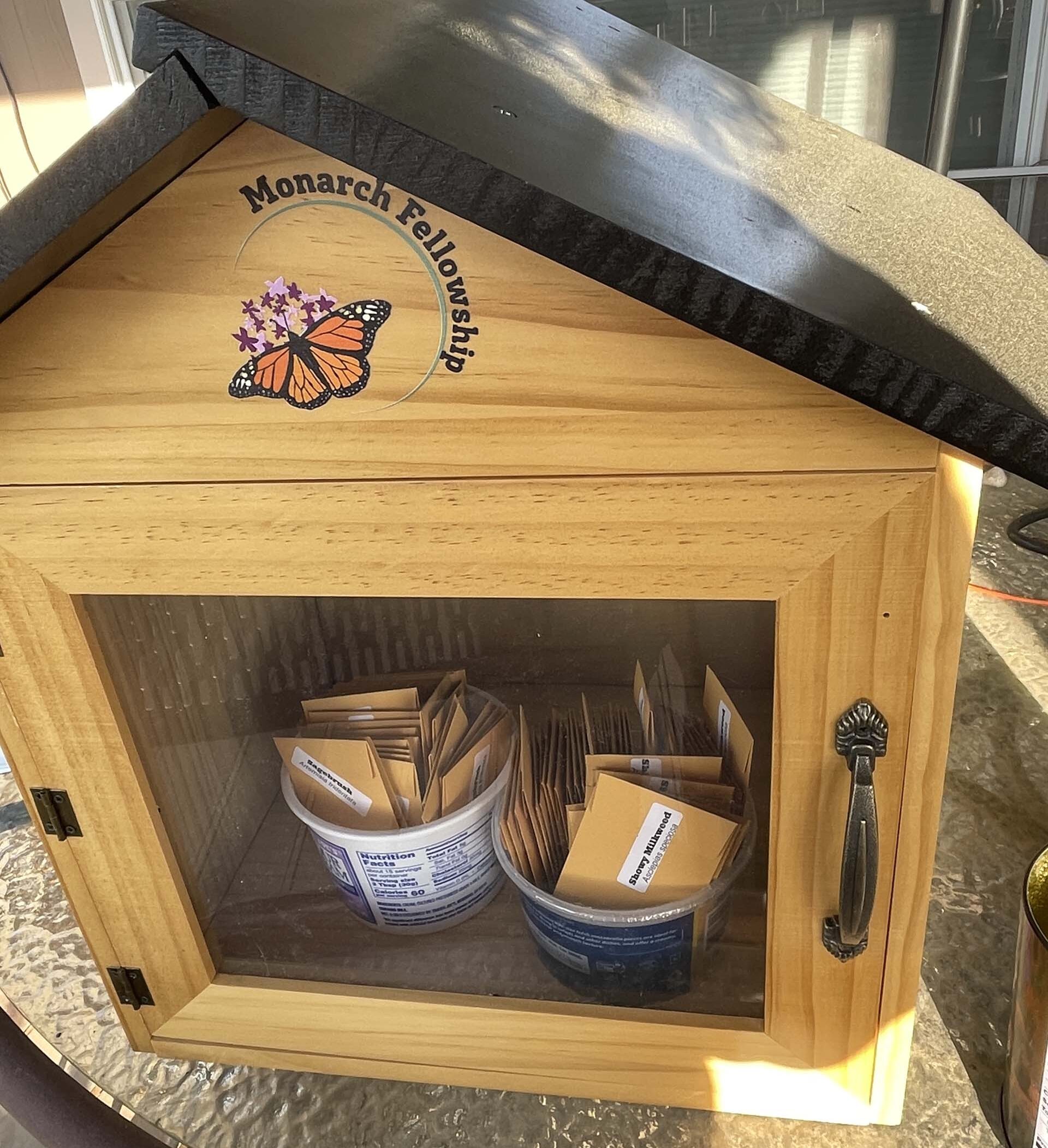
A few days after the Tallamy talk, lepidopterist Glenn Fine showed us what those caterpillars could become. I’ve been following Glenn on iNaturalist. His moth pictures are amazing! Native plant seeds were made available to the participants and were displayed in my newly acquired Free Native Seed Library box. The Monarch Fellowship provided the box in exchange for seeds and native plant growing tips. The box will be donated to the Mt. Shasta Sisson Museum to accompany their upcoming native plant garden. Stay tuned for more details.
Irene Hollenbeck Memorial Wildflower Show, July 4
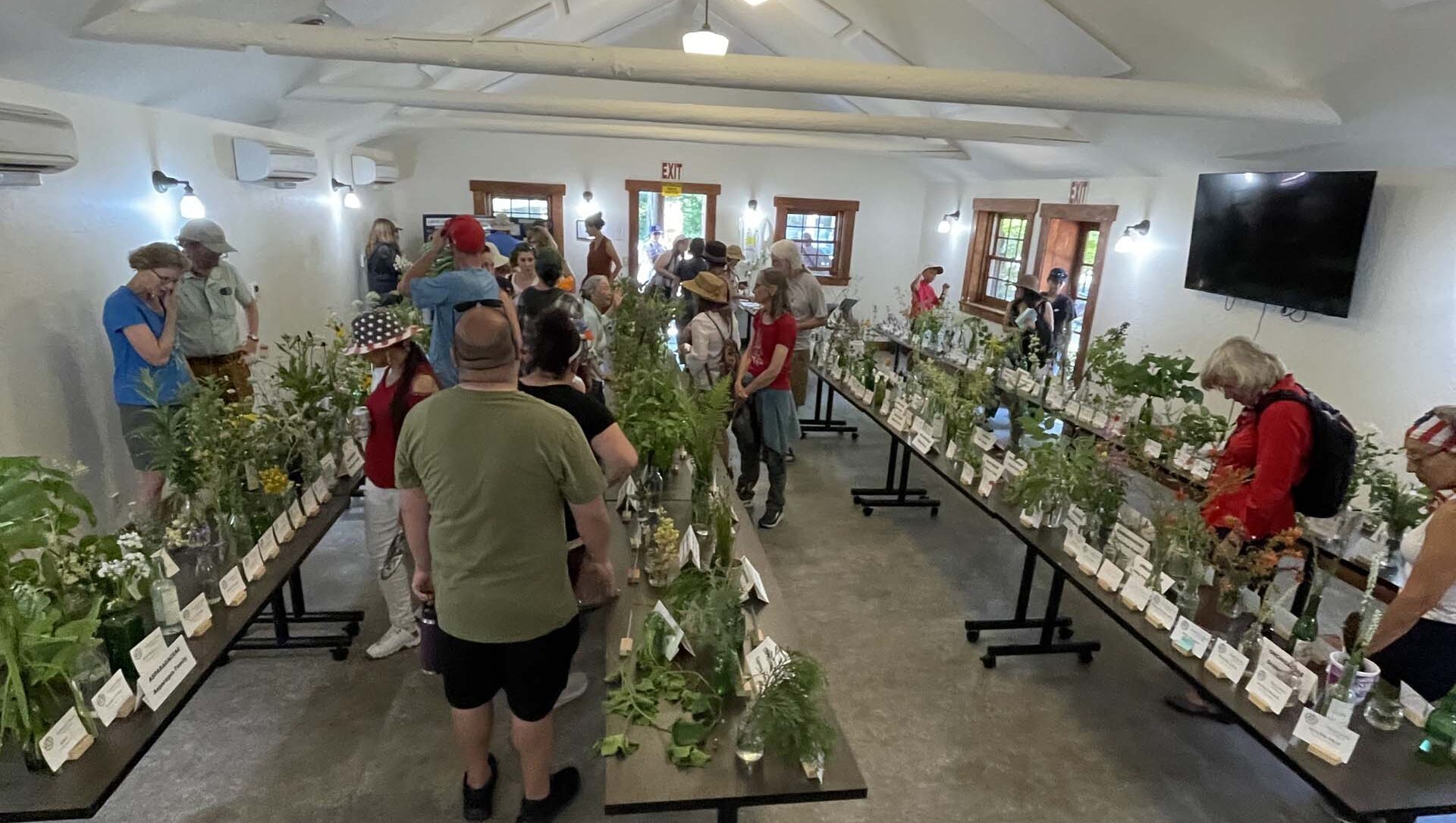
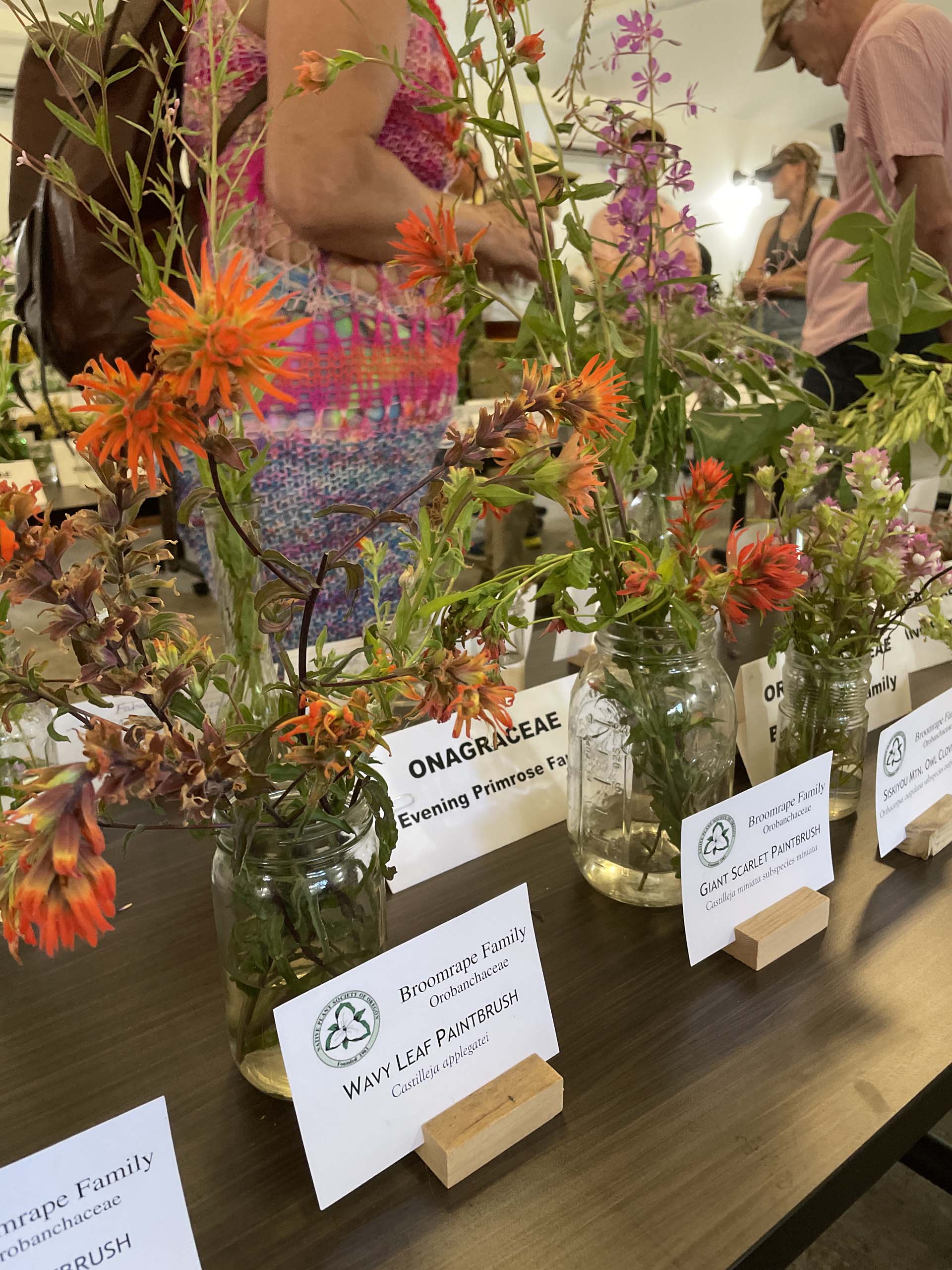
I had the opportunity to once again volunteer at this wildflower show in Ashland, Oregon. If you find yourself in the area on Independence Day in the future, make time to check this out. If you are interested in collecting specimens and/or identifying the specimens the day before, on July 3, you would be very welcome! Here are a couple of pictures I took…
Eriogonum Society Meeting, July 10
The Eriogonum Society held its annual meeting July 9-12 in Selma, Oregon. The group traveled into California for several expeditions. Check out their collection of observations in their iNaturalist project. I was only able to attend a single day, for the identification workshop and a half-day field trip. My keying skills still need a lot of work, but I always try to avail myself of any opportunity to see the pros at work. Trying to see the tiny details necessary to identify Eriogonum is just as hard as for Poaceae. We visited Eight Dollar Mountain boardwalk and Rough and Ready Botanical Wayside. Both are serpentine areas with very rare and special plants, and both are extremely accessible right on Redwood Highway No. 25 (U.S. Route 199)—so if you ever find yourself driving by you should stop and check them out. The two rare Eriogonum species that I had the good fortune to observe were Waldo buckwheat (Eriogonum pendulum) and ternate buckwheat (Eriogonum ternatum). ~Ada Rubin