
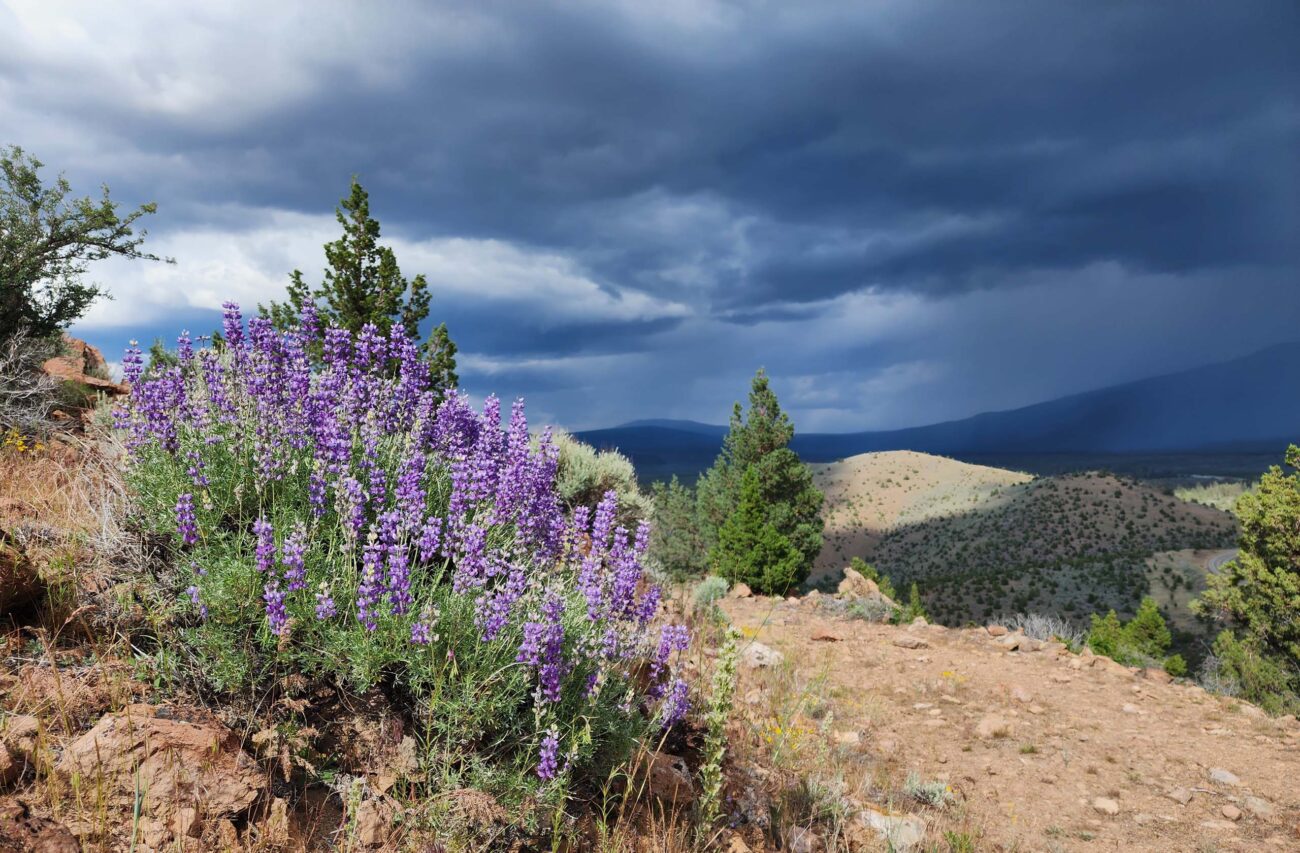
What’s happening in the nursery is as changeful as the weather! Naturally, weather rules our nursery operation and our propagation events. Here is the complete list of propagation dates in March, but please note that rain cancels!
- Sunday, March 8, from 10 AM to noon, and 1 to 3 PM
- Sunday, March 15, from 1 to 3 PM
- Sunday, March 22, from 1 to 3 PM
In addition, from 1 to 3 PM on Tuesday and Thursday afternoons throughout March, the nursery will be staffed and volunteers are welcome! Please let me know when you can make it by emailing shastacnps@gmail.com.
In the last week of February, the three coldest nights of this winter happened. At 30 degrees, pots will freeze solid. The temperatures got as low as 27 degrees very early Friday morning for several hours. This designated driver for the nursery found herself volunteered for a “freeze drill.” Fortunately, with a good weather app, I had a few days’ warning and got the nine tables of our outdoor stock as well-protected as possible.
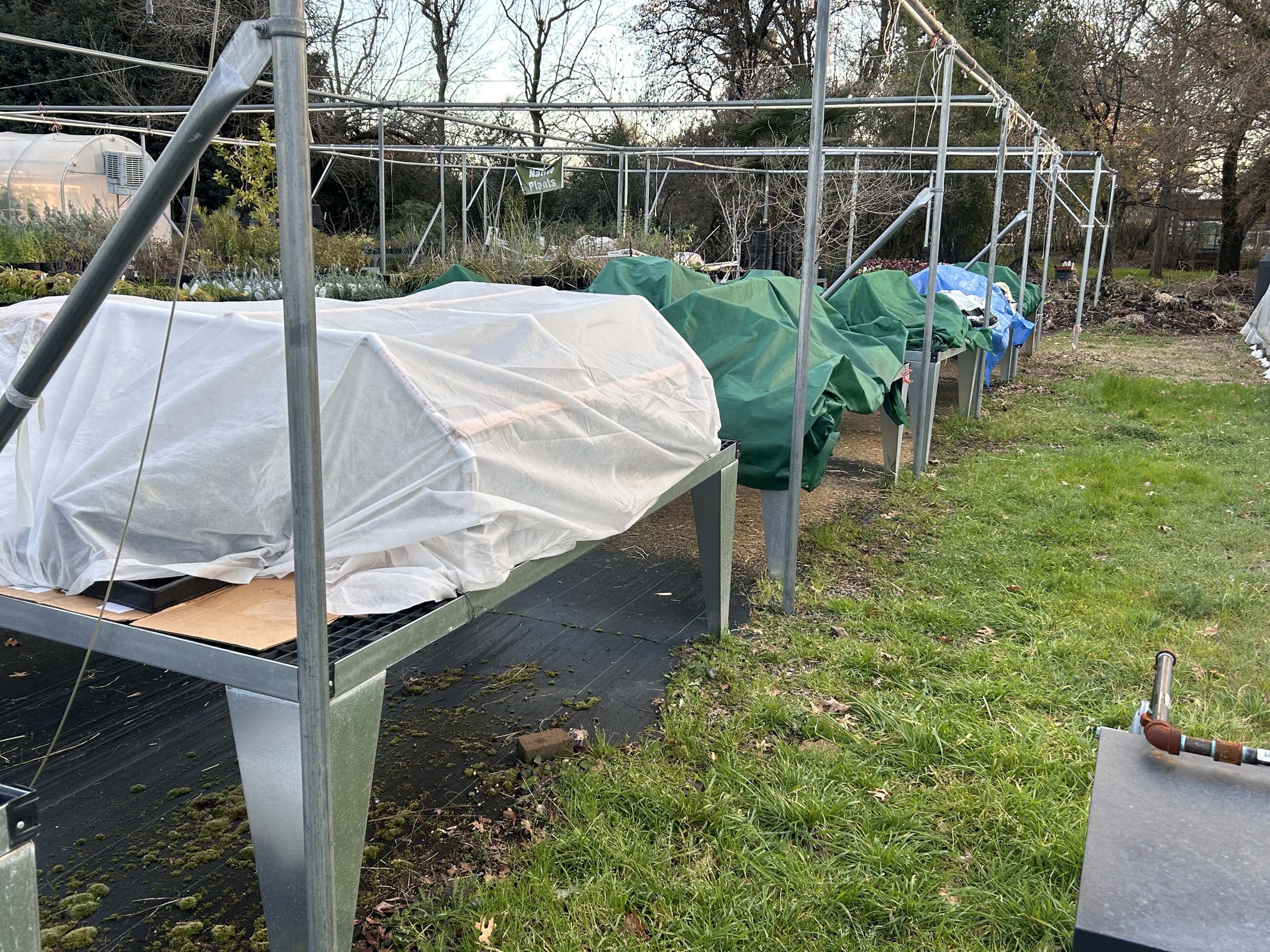
Ideally, frost covers will come off during the day for good air circulation and to catch some rain when it happens. This week, covers were on for four nights, because even when the predicted lows are 35 to 36 degrees, the actual lows at Shasta College can be four degrees or more lower than forecast. Now the freeze danger is happily past for the next 10 days.
The warmer overnight temps are very good news for transitioning young plants from the temporary greenhouse and indoors to thriving outdoors. In due time, all will go to the outdoor tables at Shasta College.
By March, there will be a variety of species and the full range of sizes to work with. There are plants ready to be transferred up to gallons, seedlings ready for an intermediate size pot, and delicate rooted cuttings that need to go into nutritious potting soil. There’s plenty to do for all of us volunteers.
Thank you to February volunteers
On February 8, from 10 AM to noon, we very fortunately had a break in the rain coinciding with our propagation time on Super Bowl Sunday. And we had a team of eight enthusiastic volunteers!
We got many rooted cuttings of toyon and ceanothus varieties into good potting soil, started sage cuttings of two species, and made some seed-starting six-packs with California poppy, common yarrow (a white sunflower), and annual lupine seeds. All of these that our volunteers brought home should be growing seedlings by now. I hope they are enjoying watching their steady progress!
Many thanks to Barbara, Carmel, Jana, Ren, Rock, Russ, and Steph for showing up on such a cool morning with rain expected in the afternoon to give our nursery stock a boost. It’s exciting when we’re all together and so much gets done in a flash!
A growing season for natives
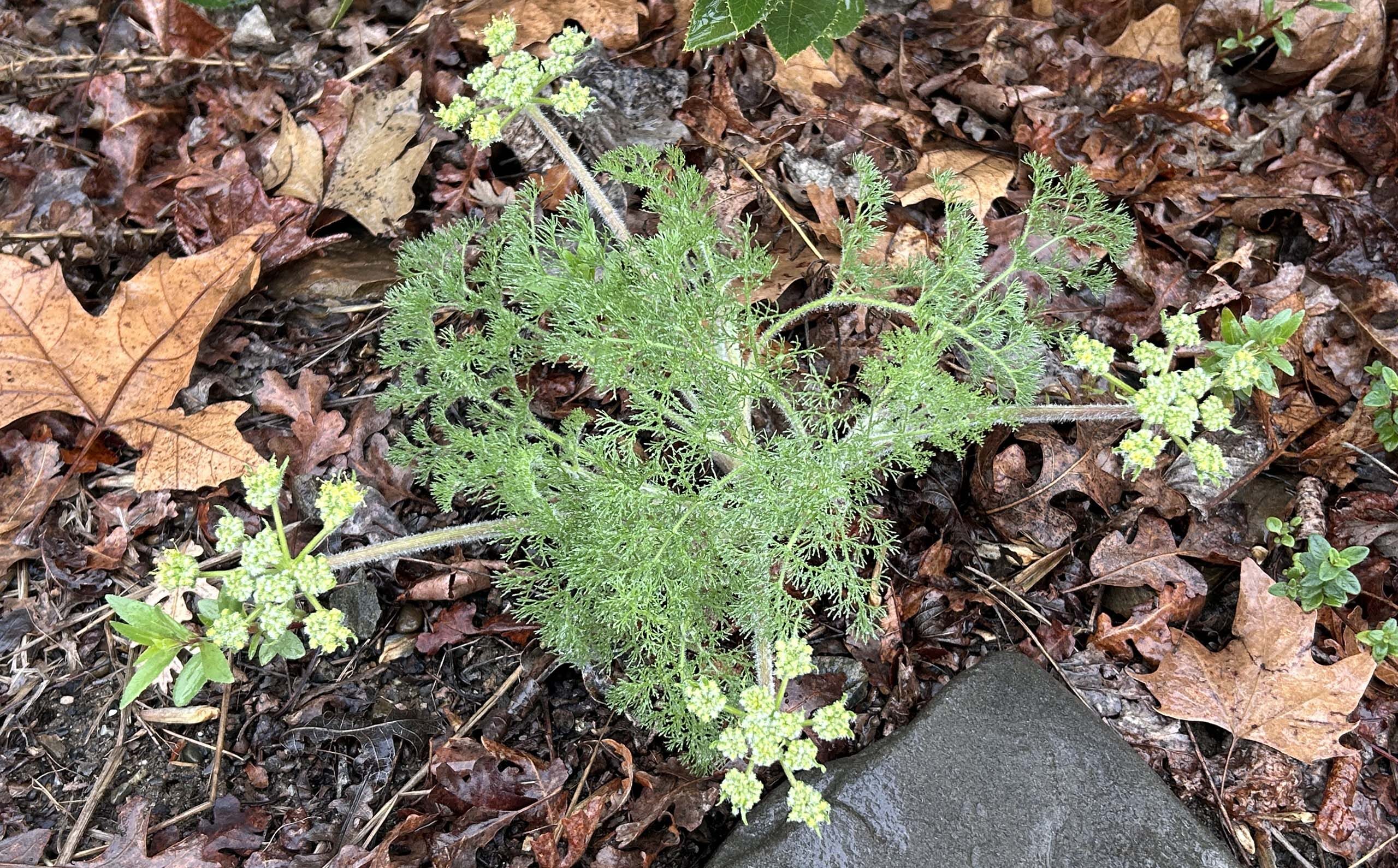
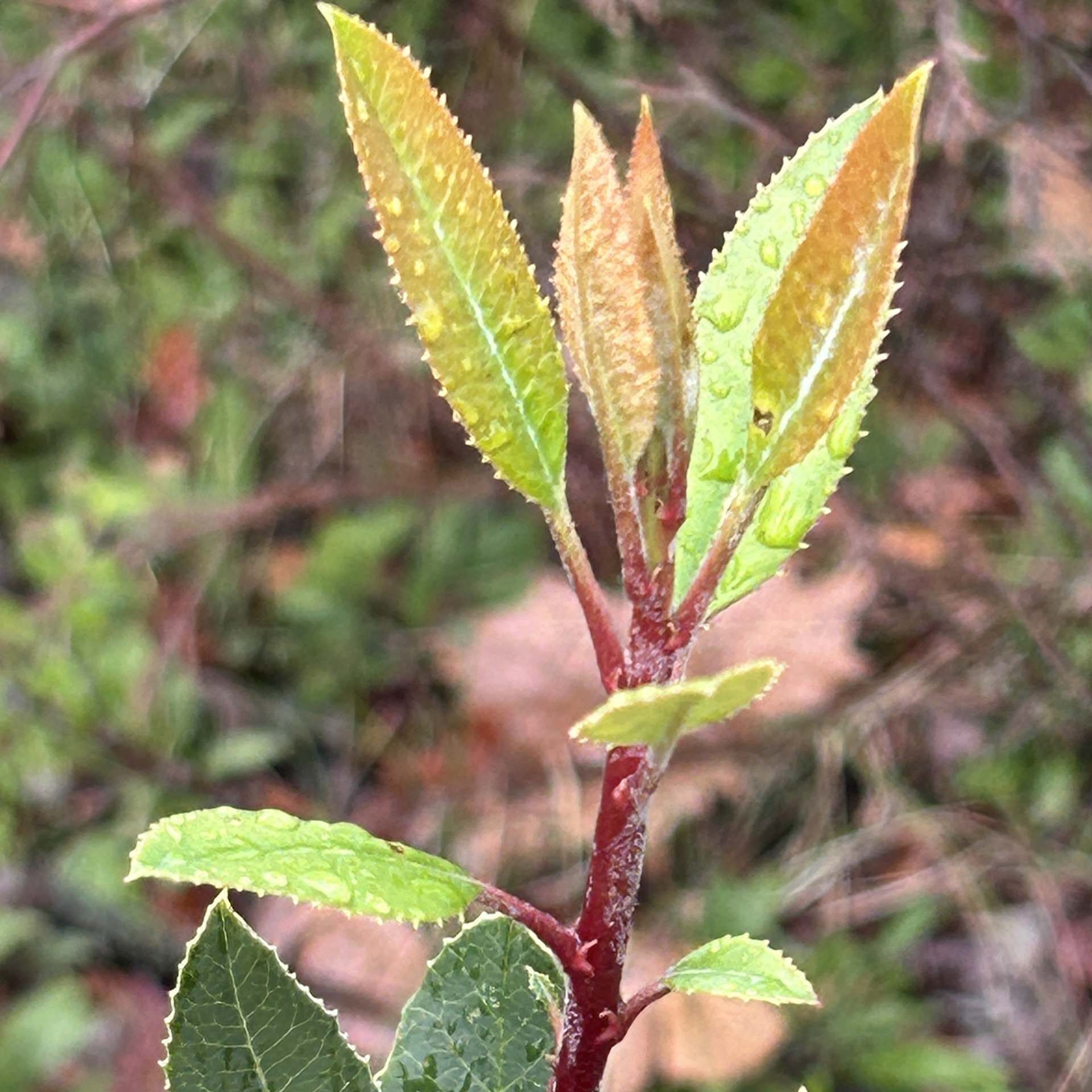
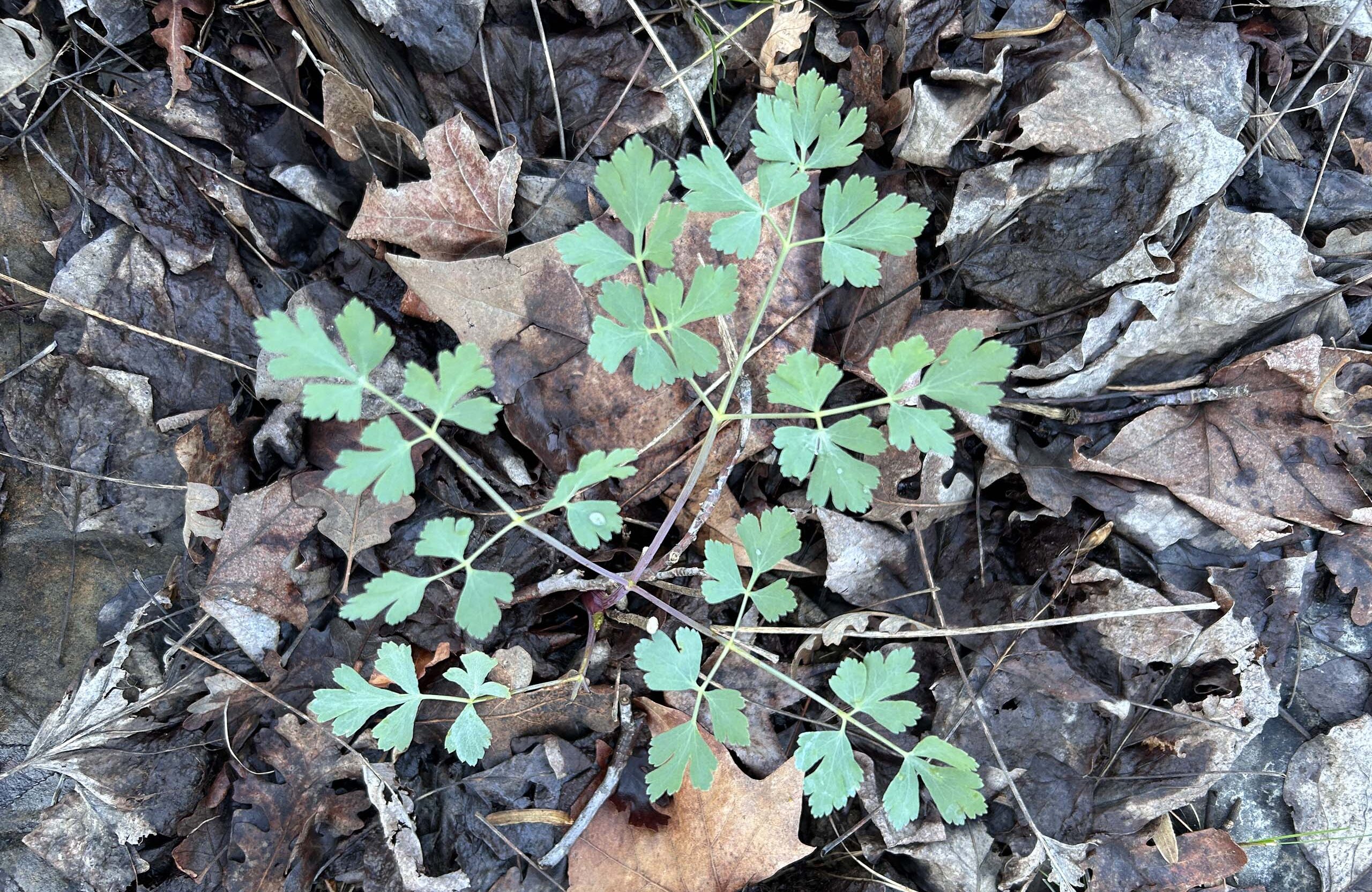
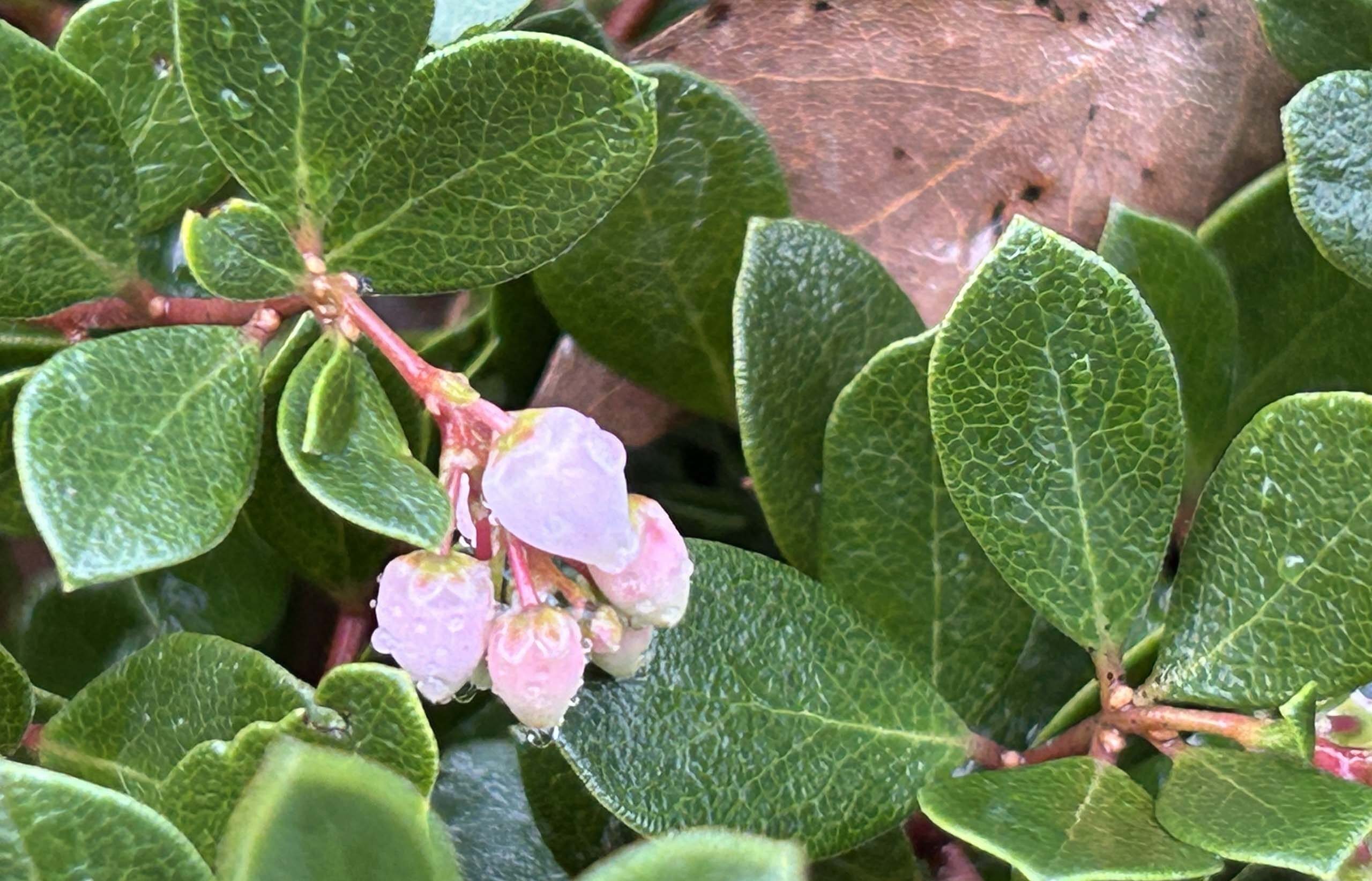
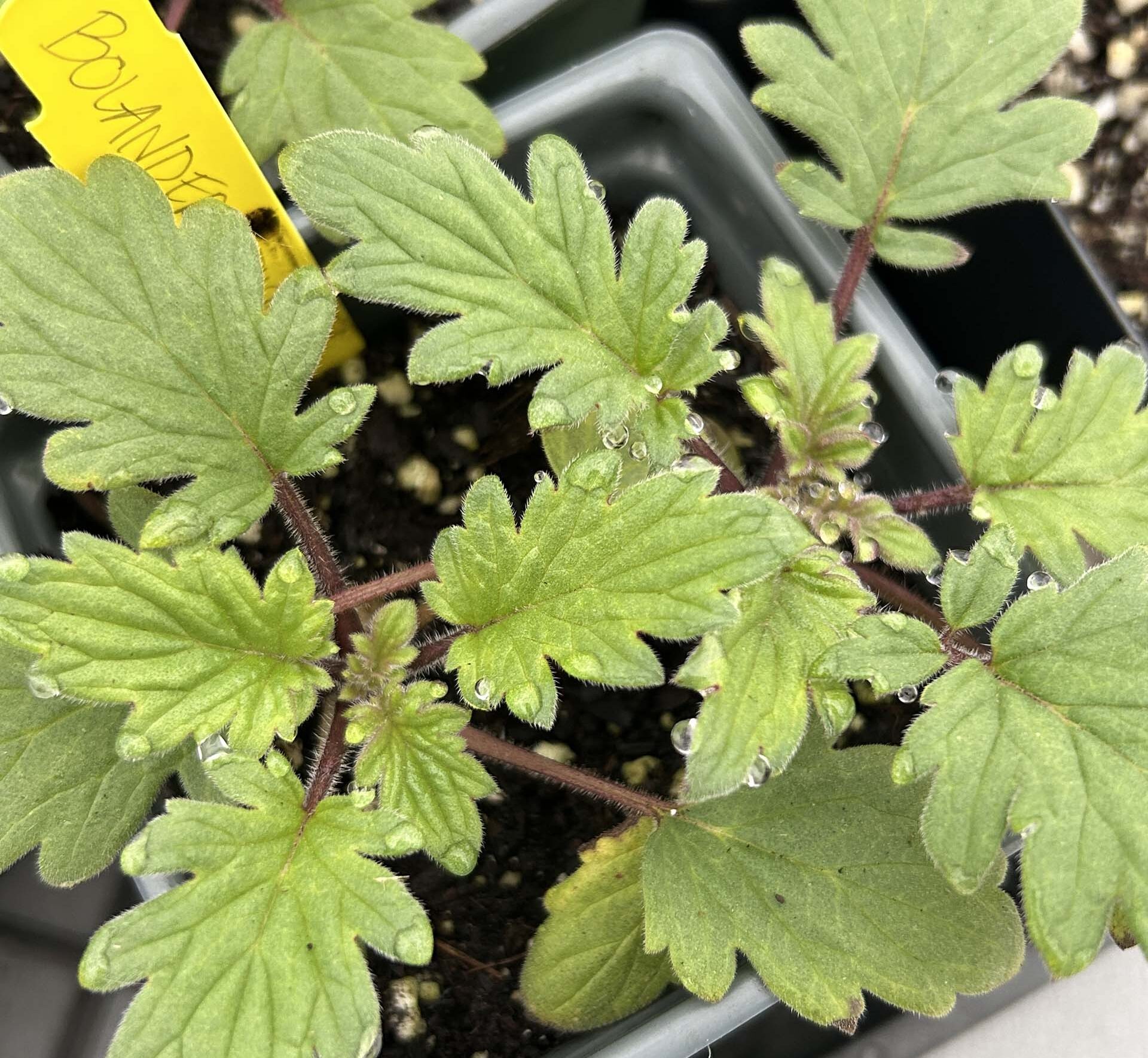
Winter is the growing season for many native plants! All those mentioned and pictured here will be available at the nursery.
See you at the nursery! ~MaryAnn McCrary, Nursery Manager