
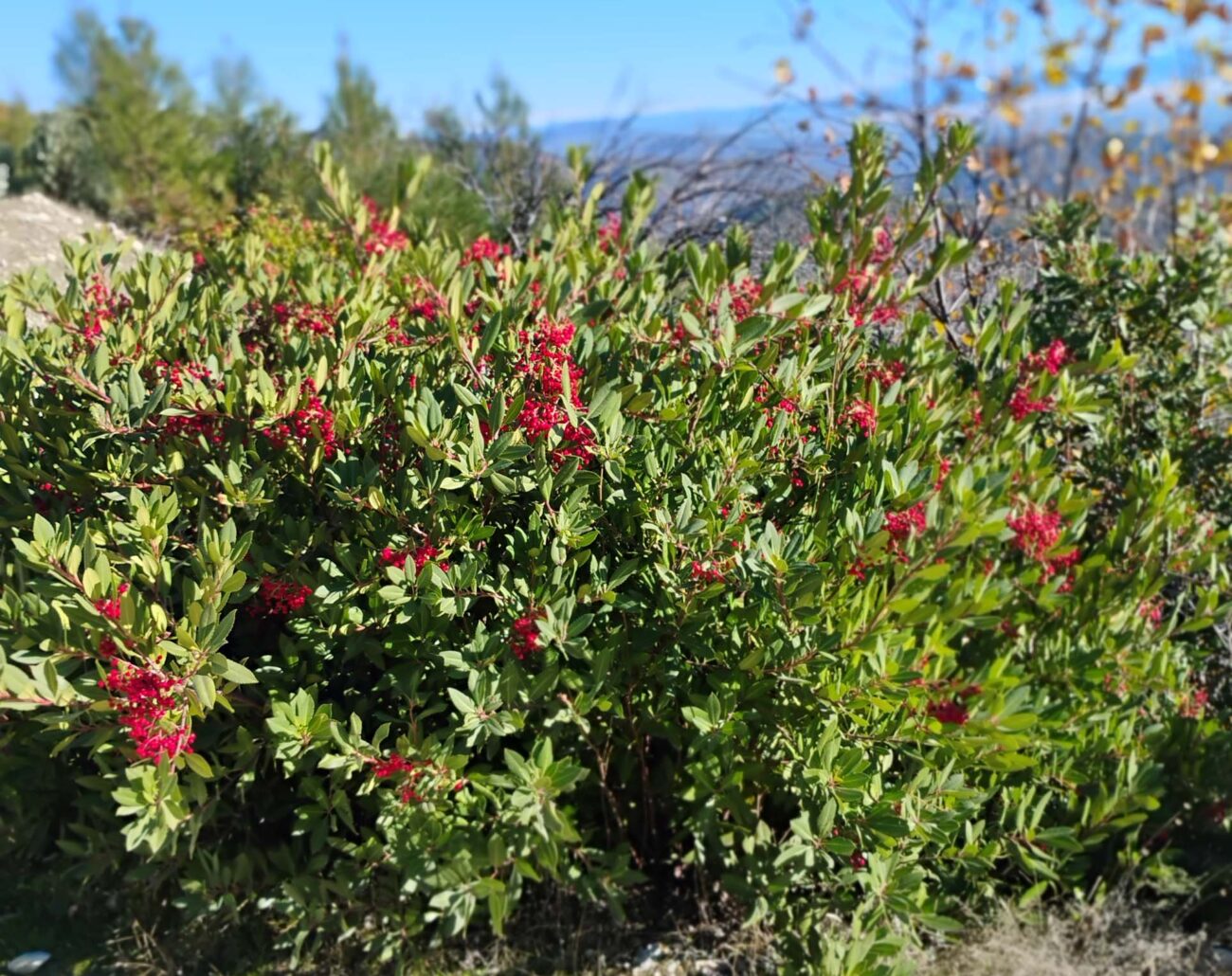
Toyon, Heteromeles arbutifolia, is also sometimes called by the common names Christmas berry and holly berry. It is a common chaparral shrub in the Shasta County foothills, and throughout California and coastal Mexico. Toyon is most notable in winter because of its brilliant green leaves and abundant bright red berries.
Toyon is very important to animals. It blooms during summer, providing nectar and pollen for pollinators ranging from hummingbirds to butterflies to bees. Its fruit ripens in late fall and winter, providing food for birds and other animals in a time of food scarcity.

In our area, American Robins will descend on these plants in flocks of hundreds, perhaps as many as a thousand, in their attempt to survive the winter. Other birds, bears, coyotes, and small mammals also use it to supplement their diet.
Like manzanita and other chaparral shrubs, toyon can be spread by birds, bears, and other animals that eat the berries, as the seeds survive in the scat, which in turn provides fertilizer for the seedling.
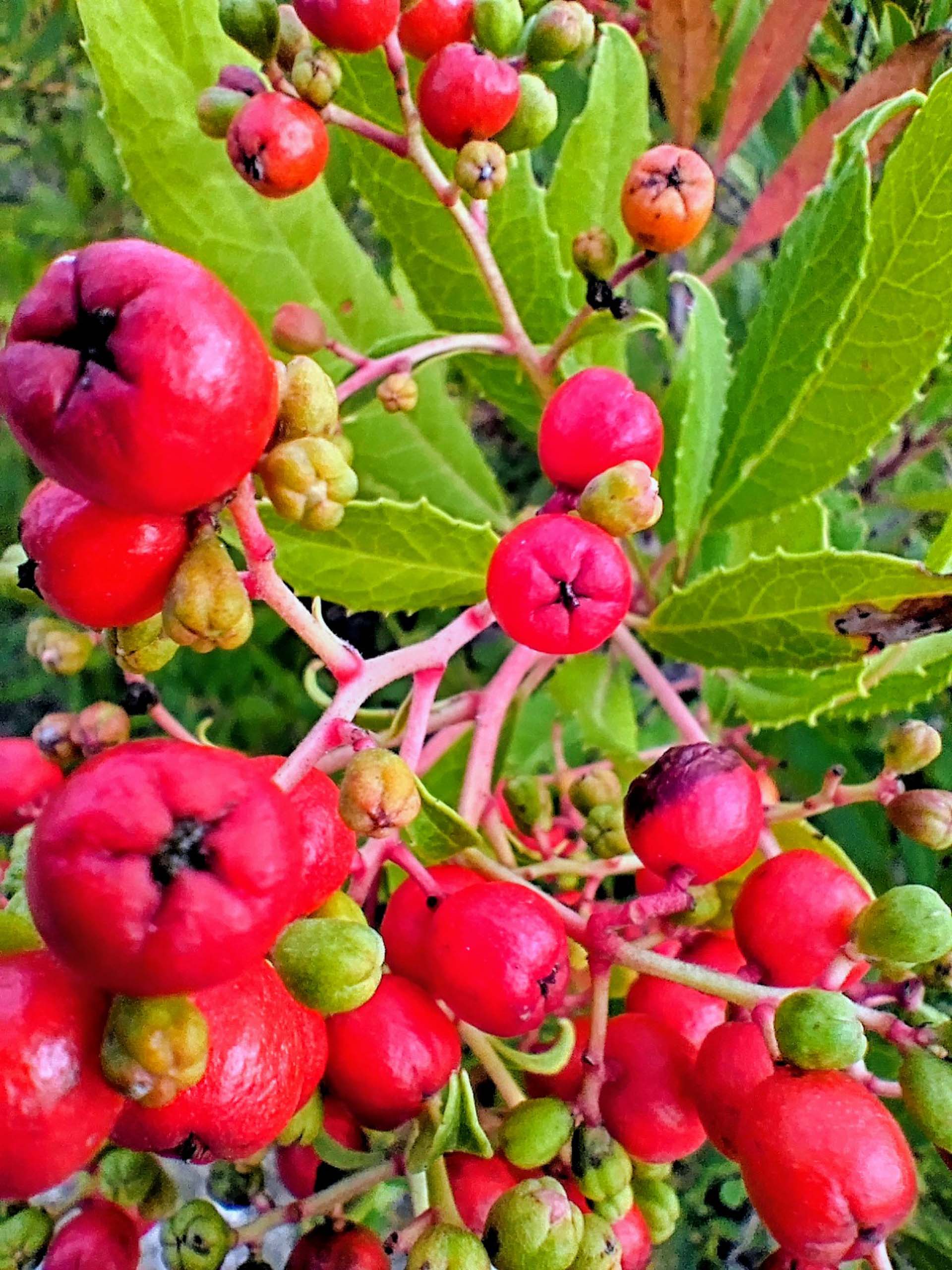
This plant is in the rose family and is related to the apple. Some Native American tribes used the bark and leaves as a medicinal treatment. Other tribes cooked, mashed, and ate the fruits. The seeds, like appleseeds, have cyanide-derived compounds, so they should be strained out.
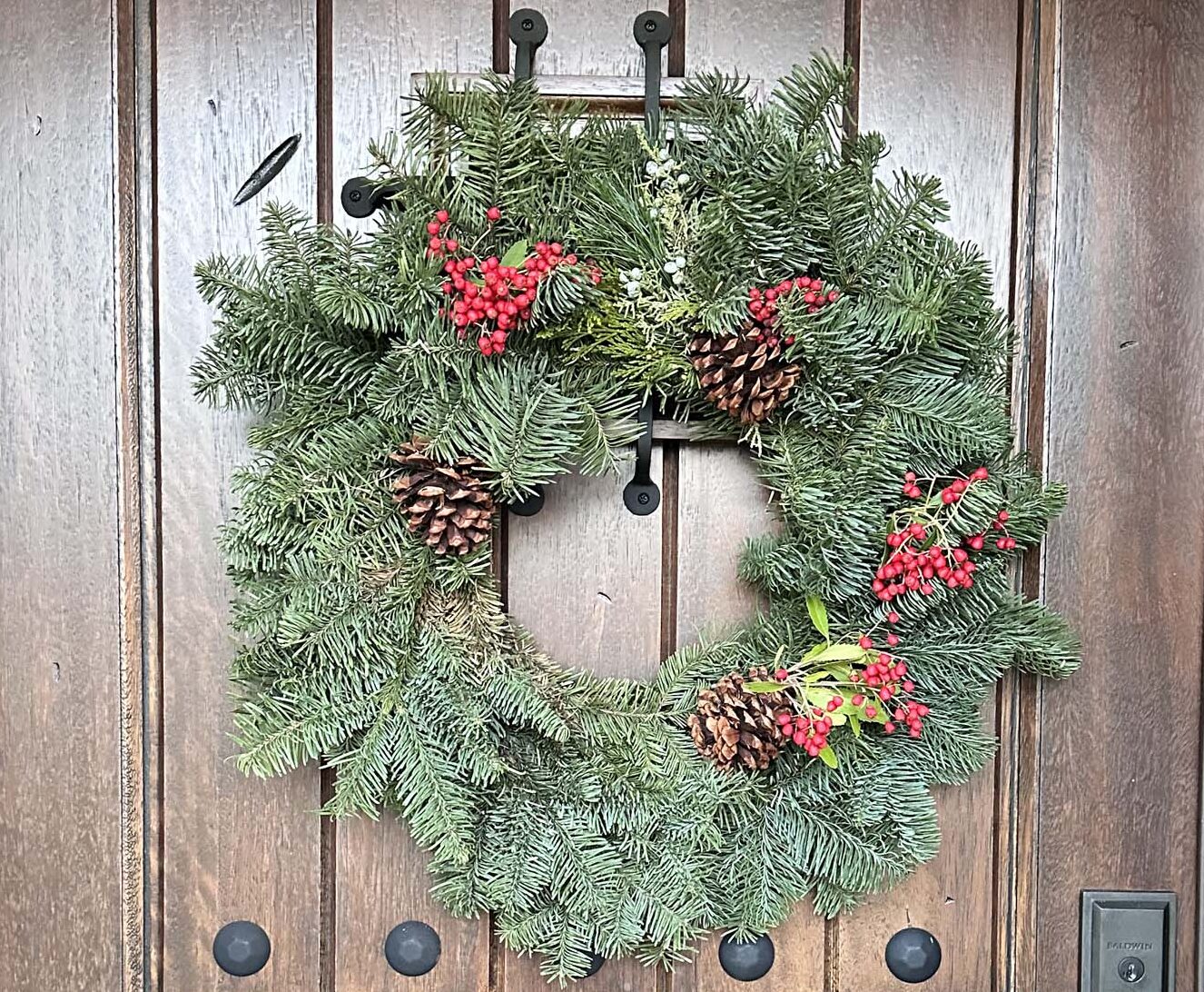
Toyon was so popular for making wreaths for Christmas in the Los Angeles area during the early twentieth century that the hills above Hollywood and other areas were becoming denuded by collectors. In 1921, Los Angeles County convinced the state to pass a law prohibiting the collection of toyon. The law is still in effect, unless written permission is obtained, but people still make wreaths from them.
Toyon can live up to 200 years and is capable of resprouting after fire. Fire very often activates buds on toyon stumps, causing them to resprout; newly resprouted plants may begin producing flowers and fruits within five years after fire. Wildfire may also activate a dormant toyon seed bank to produce new plants.
~David Ledger, Conservation Chair
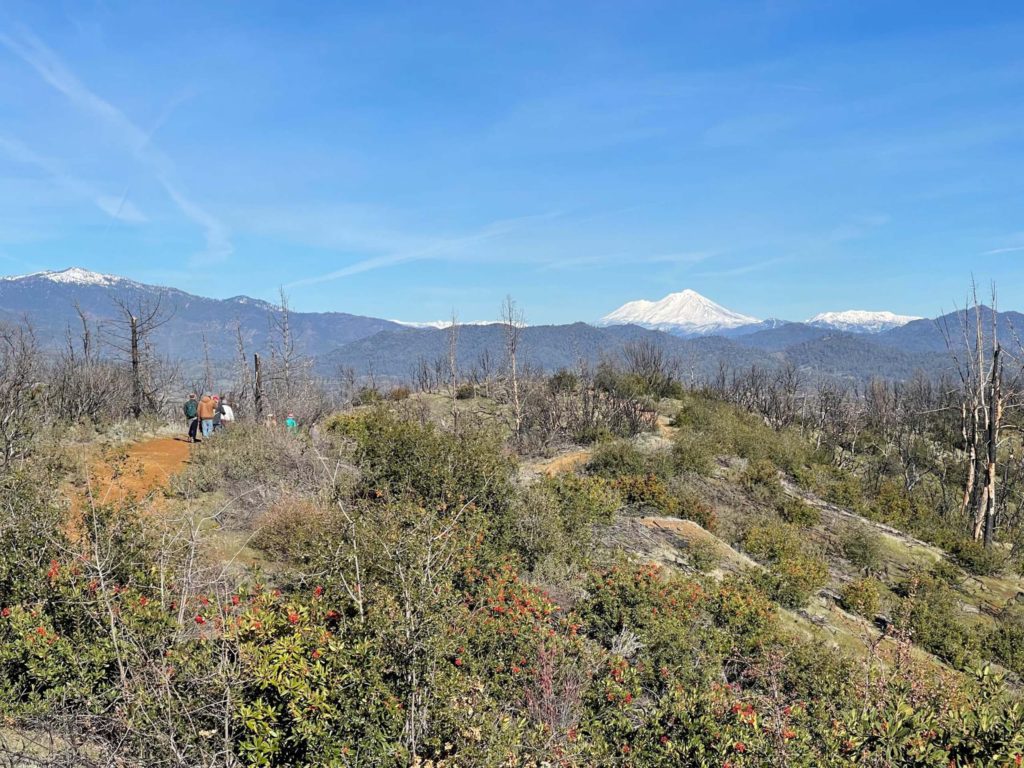
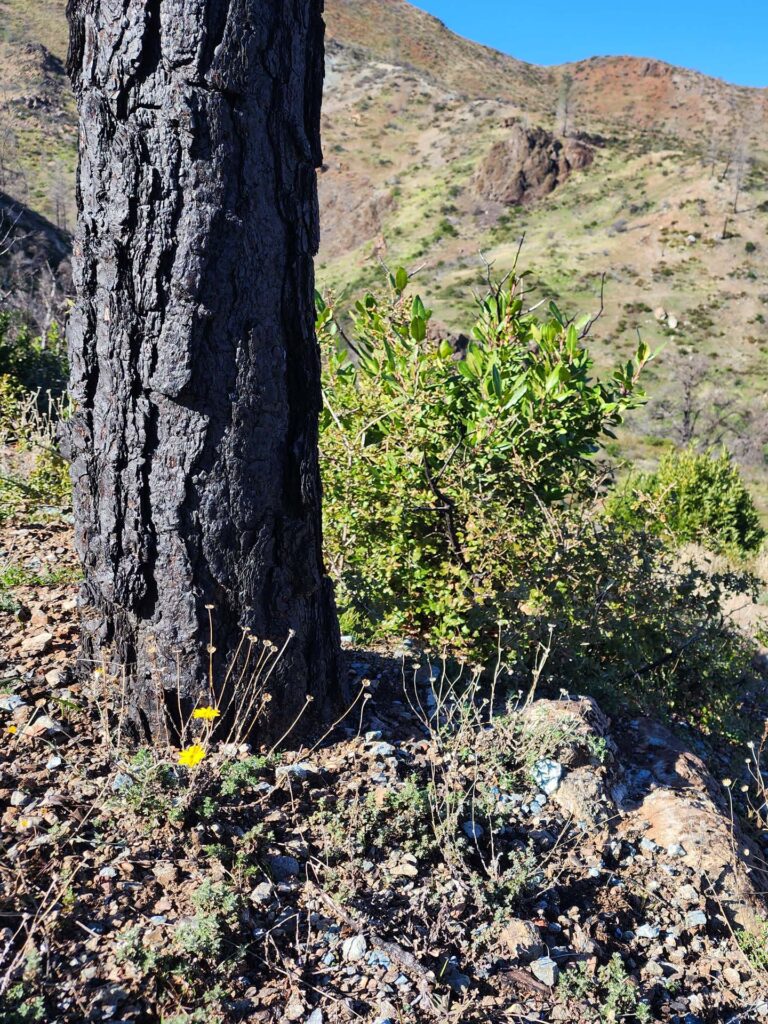
Photo taken by Don Burk on February 12, 2023.