
With heartfelt gratitude, we thank Rich Lis, botanist with California Department of Fish and Wildlife, for scrambling to help us out when our previously scheduled November 20 speaker ran into a last-minute scheduling conflict and had to postpone her talk. Rich has confirmed that he will indeed be able to speak at our November meeting. His topic is entitled, Special Status Plants and the California Endangered Species Act (CESA) and California Environmental Quality Act (CEQA).
It can be confusing how CESA and CEQA are used to protect special status plant species. Rich will discuss how these laws can be used to protect special status plants and plant communities, as well as the roles of the California Department of Fish and Wildlife (CDFW) and Fish and Game Commission. Comparisons with the Federal Endangered Species Act will be illustrated. The presentation will be at an introductory level and will provide examples of successful efforts to protect state and federally listed plants.
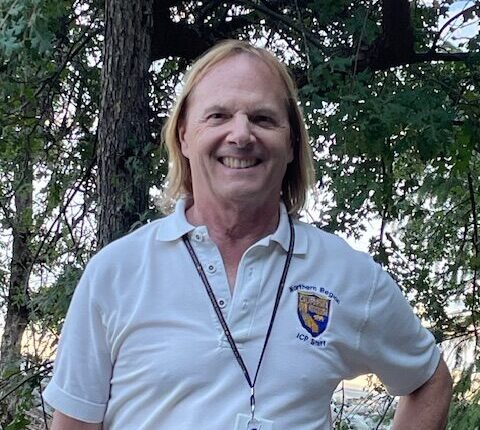
Richard Lis has a Ph.D. in Botany from University of California at Berkeley (systematics and ecology), an M.S. in Paleontology from U.C. Berkeley (paleobotany), and B.S. in Geology with minor in Botany from Portland State University. He has worked at the California Department of Fish and Wildlife for 30+ years, primarily in special project assignments, many of which have been linear projects for which he used CESA and CEQA to protect special status plant populations and promote habitat mitigation and restoration. Major project areas include the PG&E-PGT natural gas pipeline expansion; Tuscarora Gas Pipeline; Sierra Pacific Powerline; Cantara spill recovery and grant management; and CEQA review for Lassen, Modoc, Shasta, Siskiyou, Tehama, and Trinity counties. Rich served on a federal expert team addressing wetland violations on 2,500+ acres in Tehama County, and is currently reviewing Caltrans projects and writing permits that involve restoration, mitigation, fish passage, and wildlife crossings. His research projects, which he works on intermittently, include: shrubs in the Rosaceae family (Holodiscus, Cercocarpus, Spiraea, etc.), paleobotany, riparian community recovery following the Cantara spill in the upper Sacramento River, vernal pools, and a Klamath-Southern Cascades mollusc field guide.
Please join us in learning about state and federal protection for special status plants from CDFW botanist Rich Lis! That’s Thursday, November 20, at 6 PM. Venue and time details are below. See you there! ~Shasta Chapter CNPS
The meeting venue
With sincere gratitude to McConnell Arboretum & Botanical Gardens, Shasta Chapter CNPS continues to meet in the new Turtle Bay Nursery Classroom, 1125 Arboretum Drive, Redding. There is lots of free, paved parking just steps away from the classroom building, and nice, curbed sidewalks. To get there, from North Market Street, turn east onto Arboretum Drive. Veer right at the first opportunity (so you don’t end up at Turtle Bay Elementary School!), and drive a short way to the “curvy” parking lot to the east of Arboretum Drive.
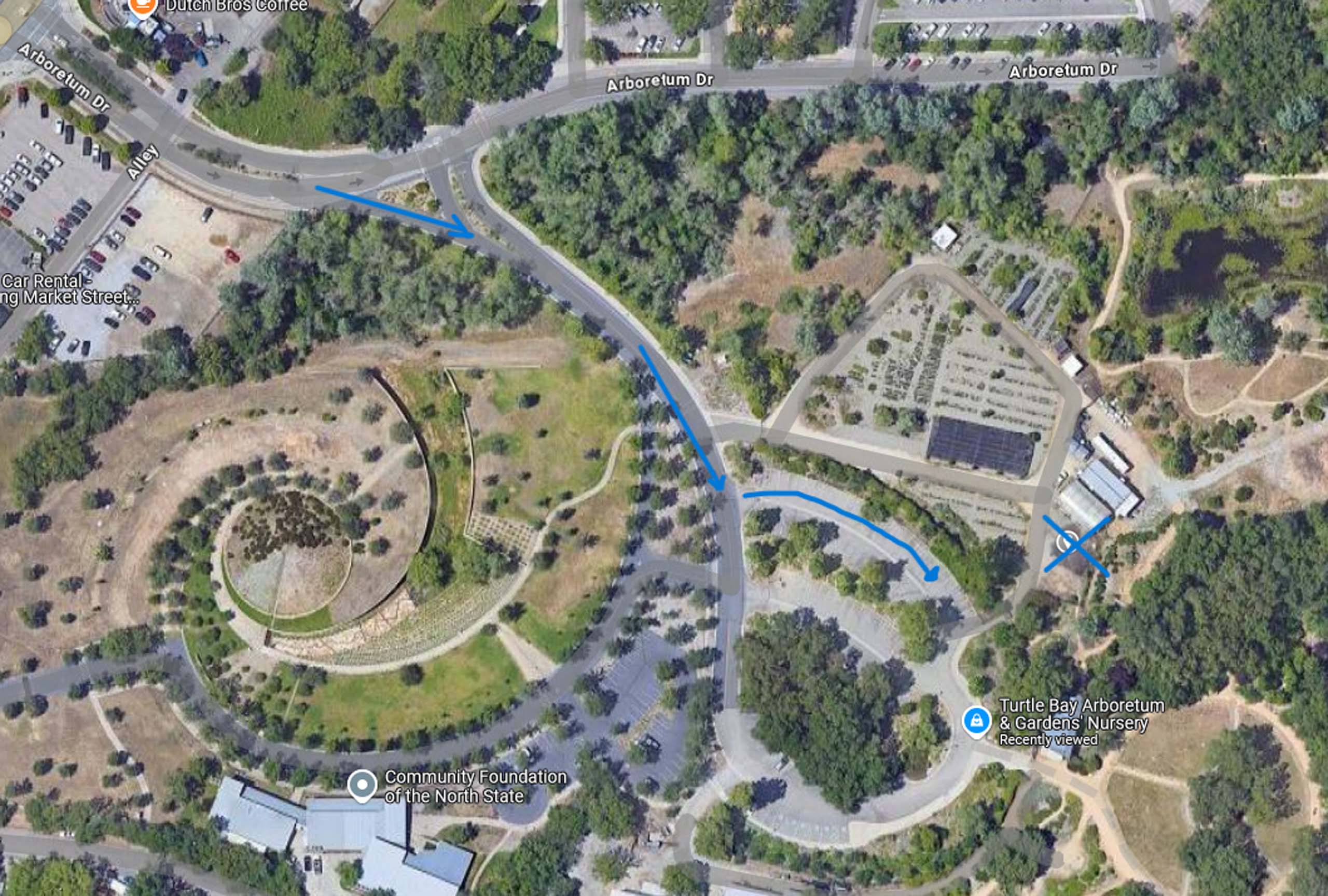
The Nursery Classroom is just inside a large wrought-iron double gate, which is just north of the entrance to the botanical gardens proper.
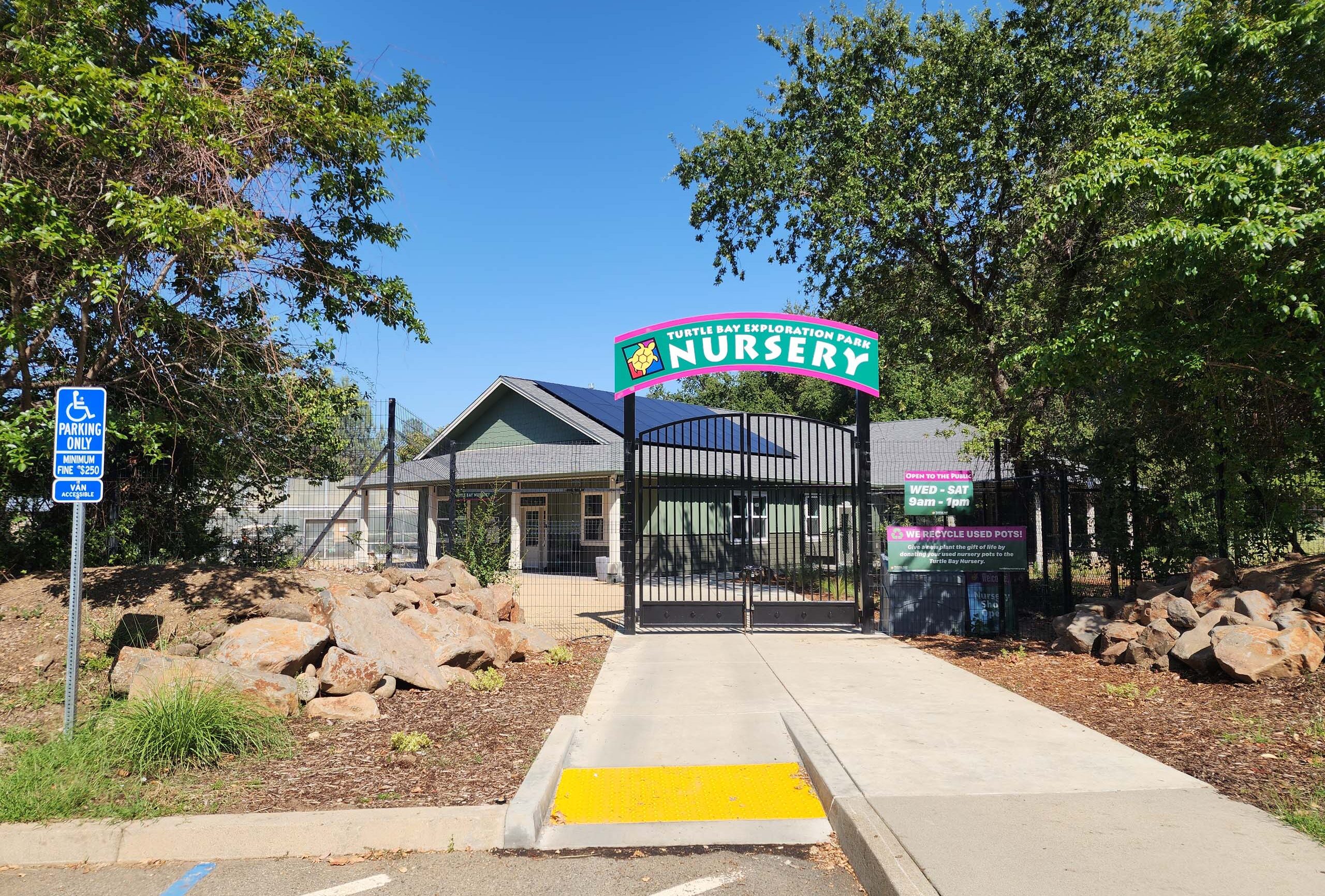
Photo taken August 30, 2024, by Don Burk.
The meeting time
We will get the show on the road no later than 6 PM for our short Chapter meeting and announcements, followed by our speaker’s presentation. Or come as early as 5:30 PM to socialize and see what sort of pre-meeting activity or display we might have for you! Please join us!