
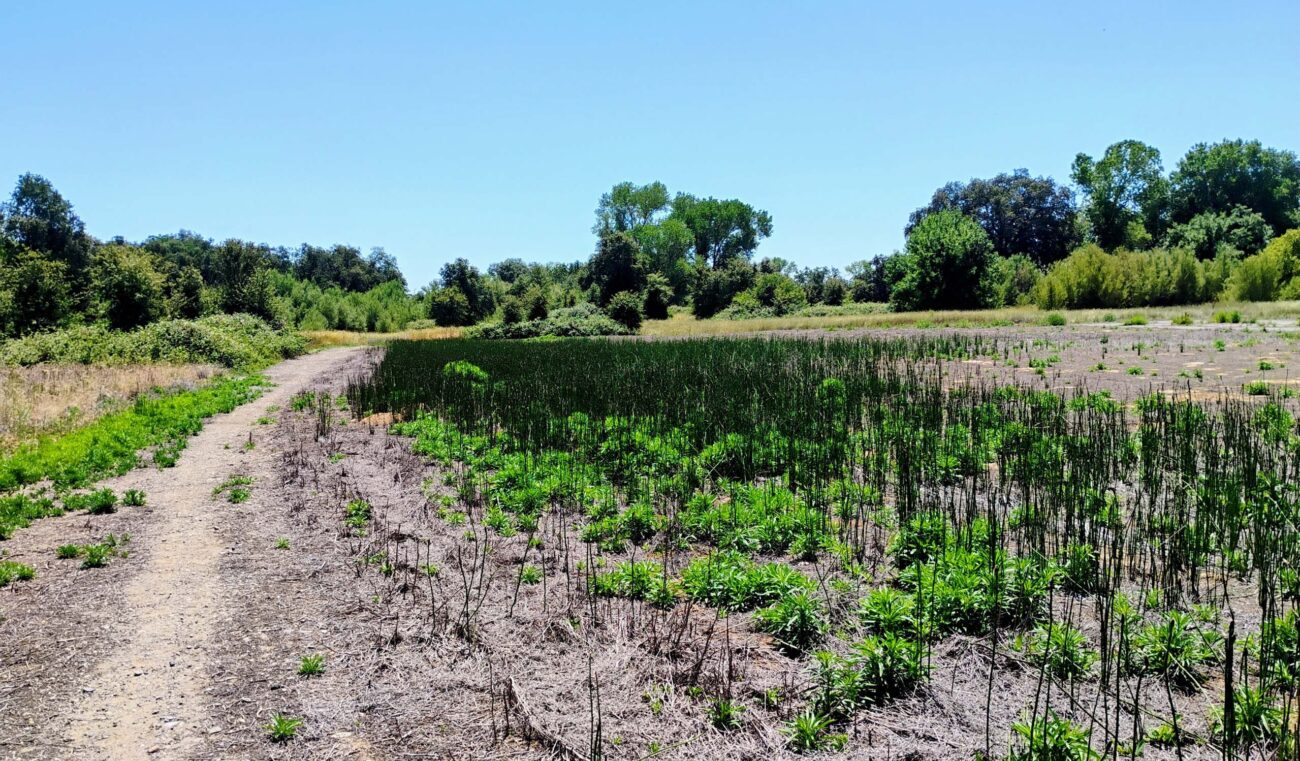
Logging and brushing from Lakehead to Whiskeytown?
The U.S. Forest Service (USFS) is currently considering a proposal that would result in logging and forest treatments on 2,538 acres along ridges and roads of the Shasta-Trinity Divide, from Lakehead to the Whiskeytown National Recreation Area. A Categorical Exemption (CE) has been prepared to address the environmental effects of the action; a CE is the least transparent environmental review allowed, and provides only two weeks notice for public comment.
The fuel breaks would remove 60 to 70% of forest canopy, as well as shrubs, in areas of Northern Spotted Owl habitat; remove vegetation from 68 acres of roadless areas; and remove 589 acres of vegetation along roads, in a 300-foot-wide swath. No biological surveys or assessments, riparian area mapping or even review of existing records in the California Natural Diversity Data Base (CNNDB) was conducted to determine if protected species may occur or are known to occur in the planned work area.
Our independent review found that some of the many rare and sensitive plants in the area are: Shasta snow-wreath (Neviusia cliftonii), Damnation Pass phacelia (Phacelia damnationensis), Trinity River jewelflower (Streptanthus oblanceolatus), Trinity monkeyflower (Erythranthe trinitiensis), California lady’s-slipper (Cypripedium californicum), and cobra lily (Darlingtonia californica).
Shasta Chapter CNPS signed a comment letter written by the Environmental Protection Information Center (EPIC) of Arcata, CA, opposing this poorly researched and environmentally destructive project. In addition to adverse effects on special-status plants and their habitats, other concerns addressed in the letter included watershed, riparian, and water supply impacts, as well as failure to address sensitive wildlife species that could occur in the project area.
This clearing is not being done to protect homes; it is primarily focused in remote areas and is in large part a logging operation without the normal protections. Furthermore, these firebreaks will not stop wind-driven fires, as was learned from the Carr Fire, where embers were igniting spot fires 2 miles ahead of the fire front; or the Camp Fire, where embers driven by high winds were blowing 5 miles ahead of the fire. Fuel reduction efforts can be beneficial to protect homes and communities, but they must be conducted near the homes—not miles from the homes, as is proposed for this project. Inevitably, these logging operations will not stop any high-wind fires and are likely to increase the fire risk as brush and highly flammable invasive weeds grow back in abundance. This area has had trees and shrubs growing for hundreds of years. The USFS should not be rushing this project without any biological review or reasonable time for public comment.
A victory for the environment in Anderson
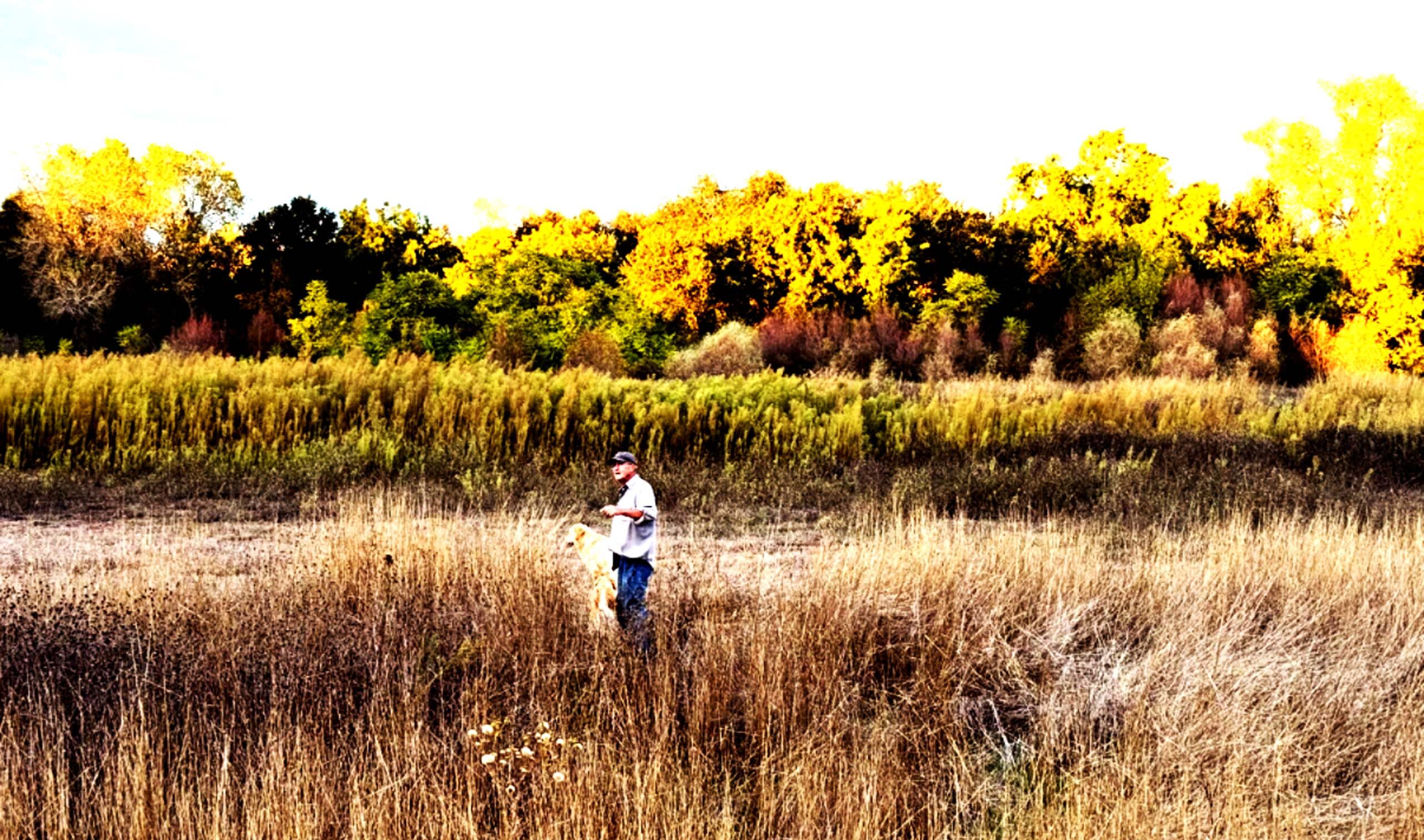
A vague proposal for a for-profit motorcycle training center in Anderson River Park was recently withdrawn following significant objections from citizens of Anderson and the surrounding area. The Hawk Mazzotta Moto Camp would have been located in the natural areas of the Park at the far south end, which is heavily forested with riparian trees, shrubs, and herbaceous plants. It is a popular area for people to bird watch, hike, walk their dogs, ride horses, or just enjoy nature in a quite area cooled by the shade of trees and the Sacramento River.
This same business was turned down for a Use Permit in Tehama County in 2025, following complaints from many neighbors because of the noise, dirt, traffic, and years of operating without a permit. Congratulations to the Tehama County Planning Commission for rebuffing the recommendations of the Planning Department, which recommended approval and said there were no environmental issues of concern. Traffic, air pollution, noise, and effects on a riparian area are all issues that must be considered under the California Environmental Quality Act (CEQA).
The City of Anderson held two public meetings on the motorcycle business and apparently the opposition was overwhelming. Wisely, the City decided not to go further with this proposal. Thank you to the City of Anderson and City Manager Joey Forseth for listening to area residents and getting their input before moving forward.
Special kudos go to Amberly Rudolph and Kathy Grissom who led the charge against this ill-considered project, developing a poster, starting an online petition, and walking the Park to get people to sign the petition, as well as tabling at the Anderson Safeway. Shasta Birding Society sent out a mass email in opposition, and Sierra Club sent a letter of opposition to the City Manager and City Council. Others, not mentioned, let their opposition be known.
A “Tree Conservation Plan” that removes 600 trees
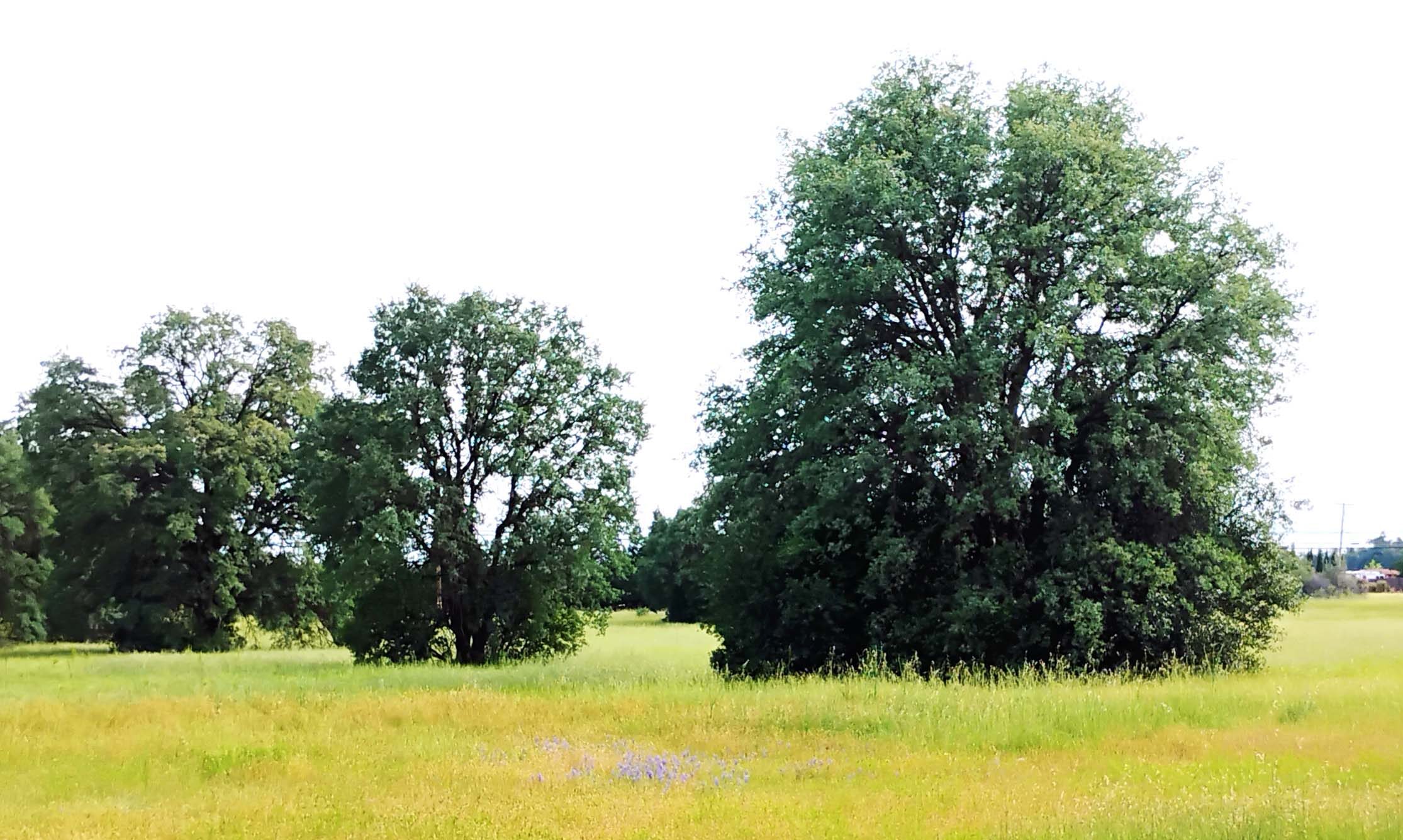
A new subdivision of 13+ acres in Redding, on Shasta View Drive near Rancho Road, called Sterling Springs has a “Tree Conservation Plan” that will clearcut about 600 trees and save only one tree, a blue oak. Most of the trees are crowded together, but there are more than a few huge blue oaks that could be preserved. Unfortunately in Redding, a Tree City USA, developer profits come first; the standard reasons touted for removing trees are, “ to keeping housing affordable, to provide jobs, or to grow the tax base.” However, I’ve yet to hear of a developer not raising the price of their new homes in a subdivision when the housing market booms.
This project is only in the preliminary stage; many agency comments will come in before final plans are laid. The City could require mitigation and the preservation of the larger healthy oaks. This approach was taken in subdivisions to the west: oak trees were incorporated into the neighborhood, although an oak woodland was removed. Also, the City did require a one-to-one replacement ratio for oak trees removed at the new Holiday Market on Hartnell Avenue—although I’ve yet to see any replacement trees planted other than the standard mandatory tree planting in the parking lot.
The Shasta Chapter of California Native Plant Society and the Shasta Group of Sierra Club will send comment letters urging the preservation of oaks, especially the larger trees, and for adequate mitigation to offset the loss of other trees removed. We can only hope that other groups will follow suit. ~David Ledger, Conservation Chair