Solar Projects vs Blue Oak Woodlands
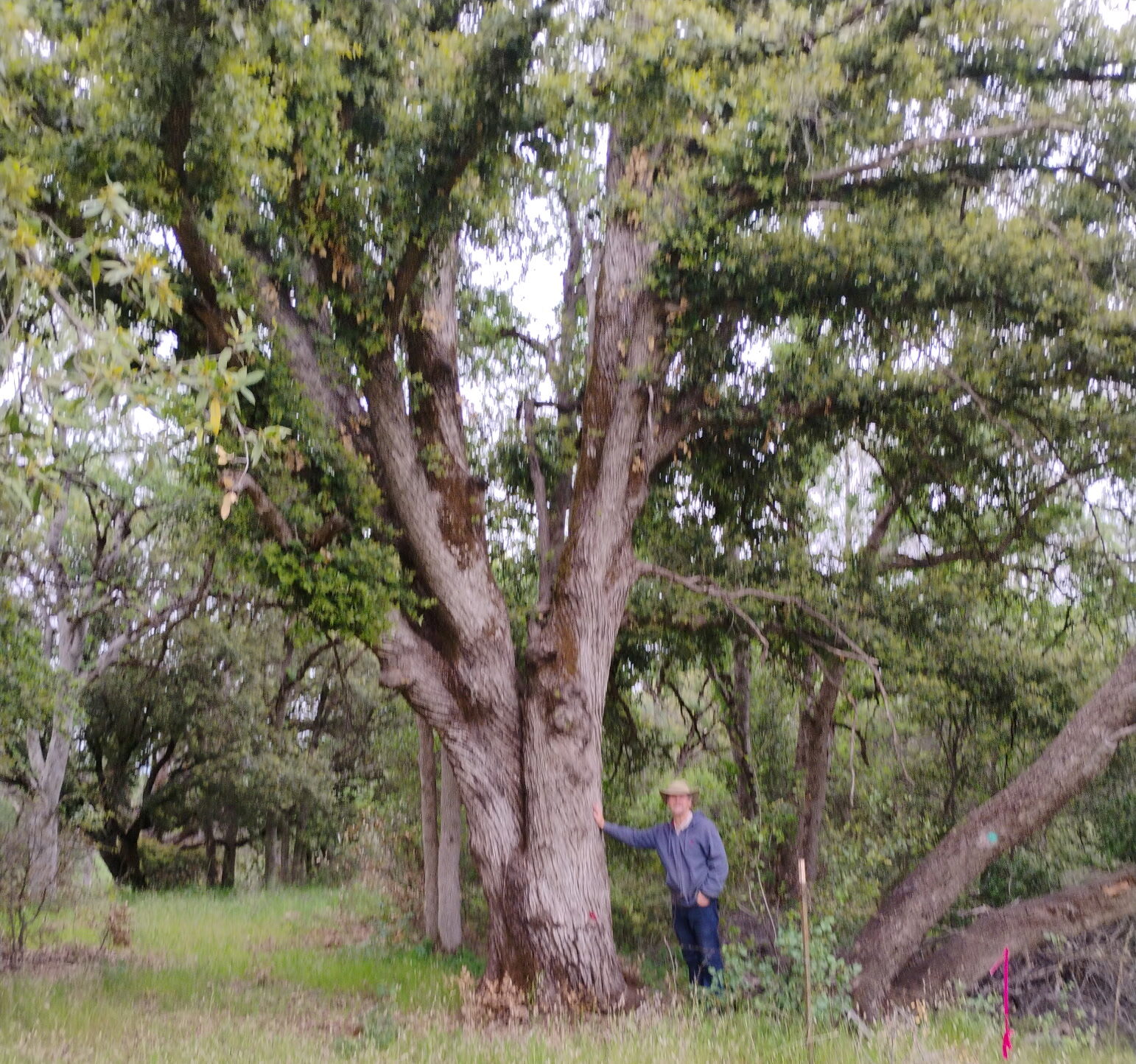
Recently, a 200 MW solar project on a 2,704-acre ranch called Coyote Creek was approved in Sacramento County. Shortly thereafter, the California Native Plant Society with the Environmental Council of Sacramento (ECL) filed a lawsuit against the project because it would remove approximately 1,412 acres of blue oak woodland. The reason for filing the lawsuit was because the project site supported important irreplaceable wildlife habitat with over 3,000 old-growth blue oaks. Blue oaks and associated woodlands sequester considerable carbon that would be lost with the removal of the oaks, burning of the slash and all the subsequent firewood, and the bulldozing of considerable land would cause a rapid release of CO2, in addition to loss of valuable habitat.
In the Manton area, on a much smaller scale, solar companies will soon be removing considerable wildlife habitat, including blue oak woodland, over the next few years as many landowners within about one thousand feet of high-voltage powerlines have been approached to lease their lands for solar projects.
Local Manton residents did fight the first small 25-acre project that came through the Shasta County Planning Department, which was situated in a dense oak woodlands on a 377-acre parcel. The Planning Commission approved the solar project on a 3 to 2 vote on January 22. The two conservative Commissioners, James Chapin and Steve Kerns, who are retired professional foresters and know the importance of oak woodlands, were adamant in their opposition. Unfortunately, the majority of the commissioners are more business oriented: developer’s representative Tim MacLean, Cottonwood contractor Gabe Ross, and large commercial and industrial realtor Scott Pewit, all of whom voted in favor of the proposal. Unfortunately, most Planning Commissioners tend to be primarily focused on profits and can’t see why a project should be denied or even modified because of trees. Like those cutting down the Amazon forests, their mindset is that there are millions of acres of trees elsewhere, so why be concerned?
At a cost of over $900, the Manton residents appealed the Planning Commission decision to the Board of Supervisors. Even though the minutes of the Planning Commission were not approved due to a dispute over the failure of the Planning Department to mention several important issues pertaining to the solar project, the Board of Supervisors voted 4 to 1 to uphold the decision, with Kelstrom stating he supported the project but was voting no because he knew the residents were opposed. Marily Woodhouse of Battle Creek Alliance was most active in fighting this precedent-setting decision.
Previously, I had submitted a personal letter of opposition to the project to the Planning Commission. The Shasta Group of Sierra Club Steering Committee unanimously voted to send a letter of opposition. Members of the Shasta Chapter CNPS also supported this letter by providing help in composing the points of opposition.
With the Board of Supervisors’ approval now granted and a precedent being set, I expect many more solar projects to be proposed in the Manton area. This is unfortunate as Battle Creek is an important habitat for salmon and steelhead trout; $163 million has been spent improving the watershed, with more funding proposed. The effect of this 25-acre project is not great individually, but the cumulative effects of all the others in the pipeline most certainly will be.
~David Ledger