
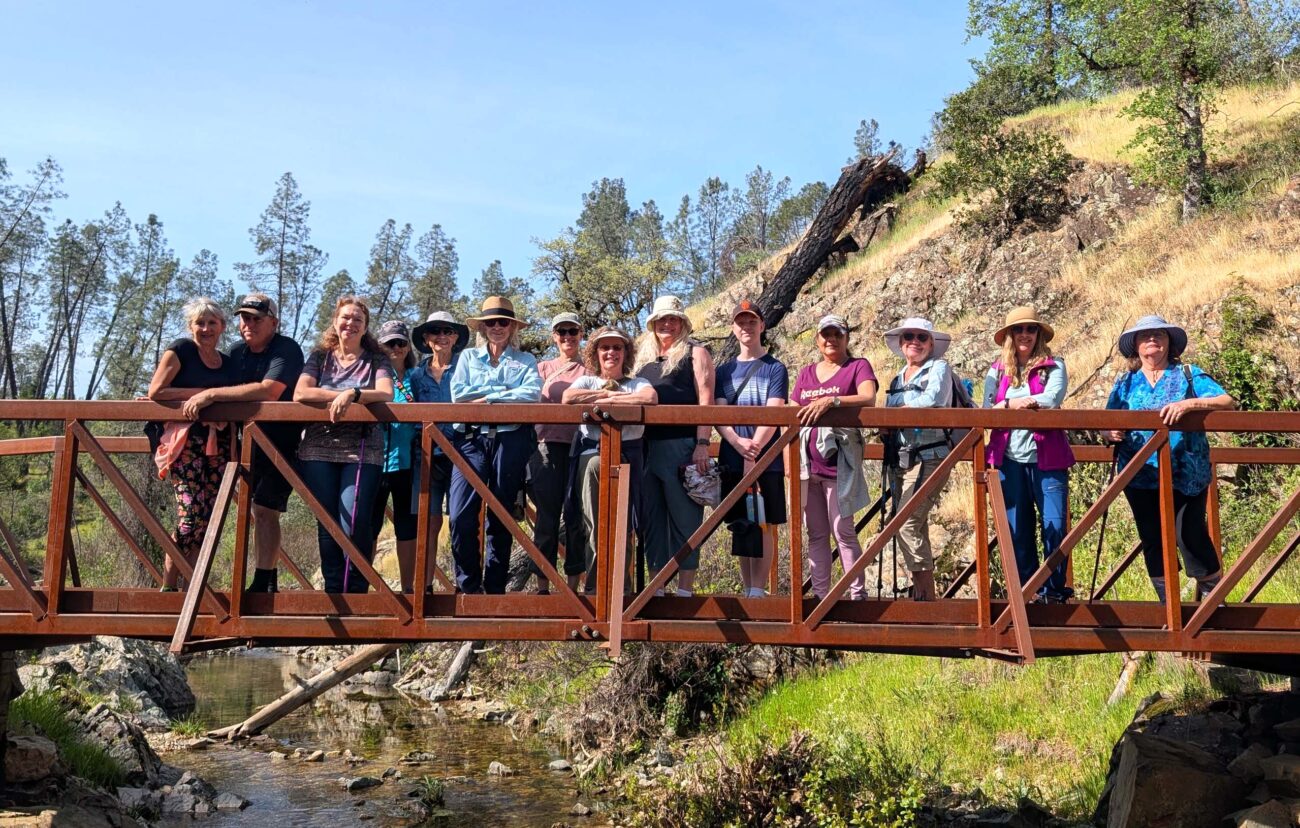
Getting together with a group of curious nature-loving people and talking about the literal sexiness of wildflowers and pollinators was a wonderful way to celebrate the first weekend of spring. For our group of 15, the mid-March heatwave had loosened its grip, giving way to pleasant temperatures in the 70s, and everyone was in a good mood to search for native flowering plants along Upper Salt Creek.
Before hitting the trail, we reviewed why plants make flowers. Essentially, flowers are plants’ way of advertising to their pollinating companions—bumblebees, other native bees, butterflies, hummingbirds, moths, beetles, hover flies, and bats—that they are ready for some reproduction action. As a reward for moving pollen from plant to plant, most flowers provide sweet nourishing nectar to the venturing insect, bird, or mammal. Some flowers even have UV nectar guides that we humans cannot see to bring the pollinator directly to the goods—some pretty nifty specialization!
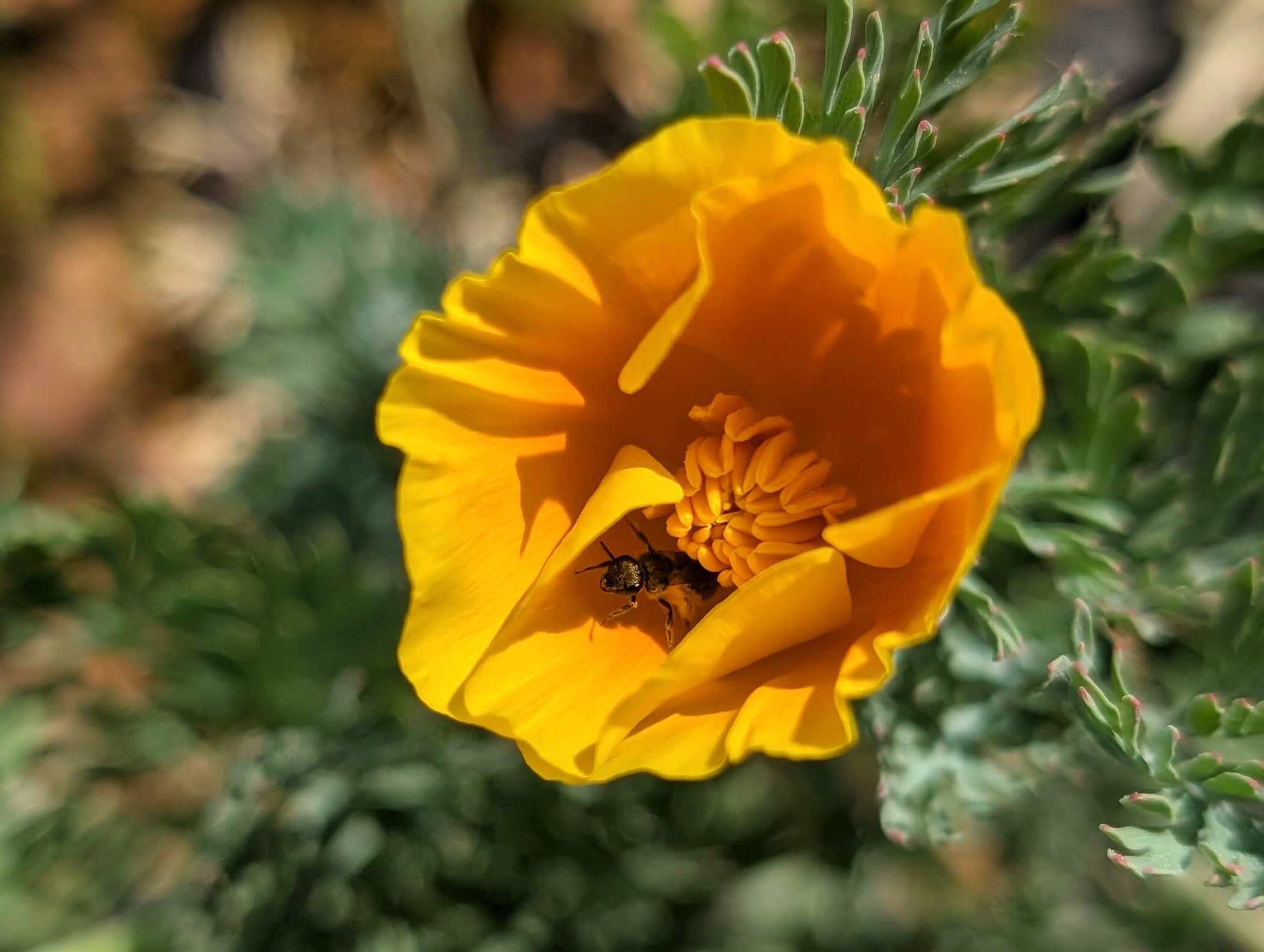
The focus of the day’s hike was native wildflowers and native pollinators because they need each other and they need our attention. These mutually beneficial, reciprocal partnerships have been forged for 130 million years—a sort of evolutionary Match.com. These beautifully functional relationships are threatened throughout California due to extensive pesticide use and encroachment on native plant turf by non-native invasive plant species, making it difficult for these meant-to-be-togethers to change their profile status to “in a relationship.”
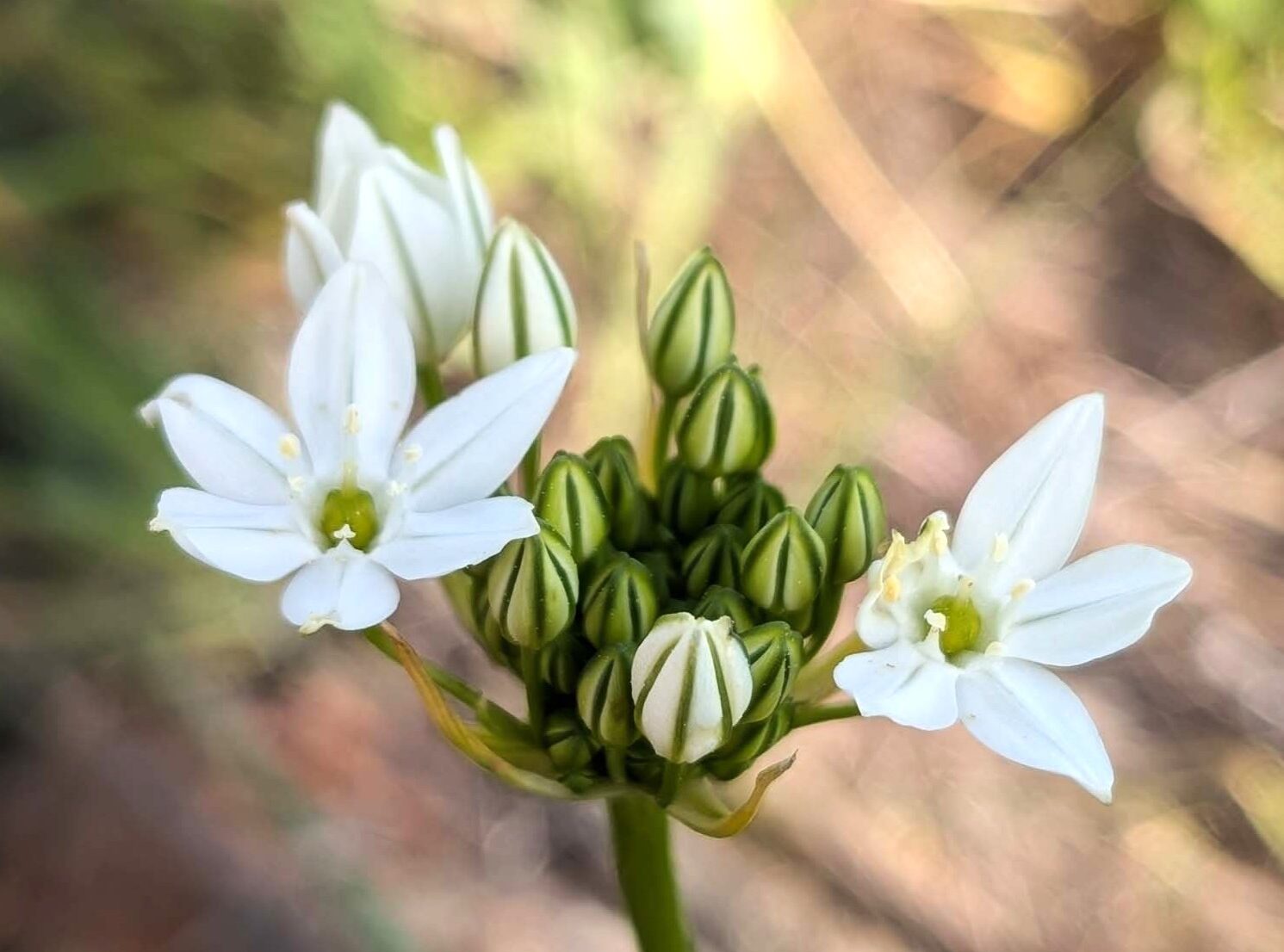
The design of these ancient pairings can be witnessed simply by noticing how the different colors and shapes of flowers correlate to specific types of pollinators. Bees are drawn to visit blue/purple and yellow flowers because they cannot see red. White and pale-colored flowers attract more night-foraging moths and bats. Butterflies aren’t too picky when it comes to color, but they do prefer flowers that come in clusters or have an easy landing pad. Hummingbirds are smitten with tubular red, orange, and pink flowers.
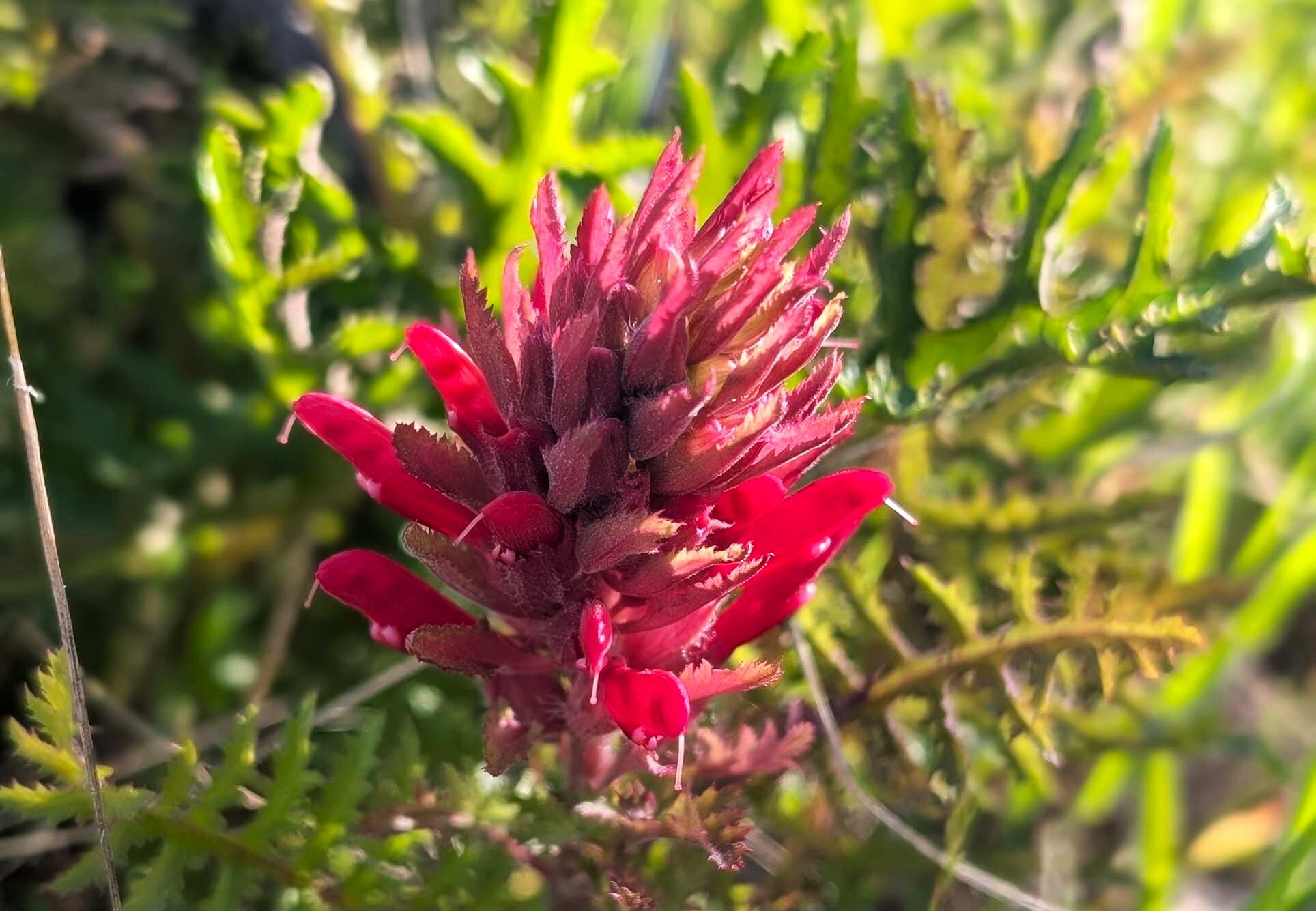
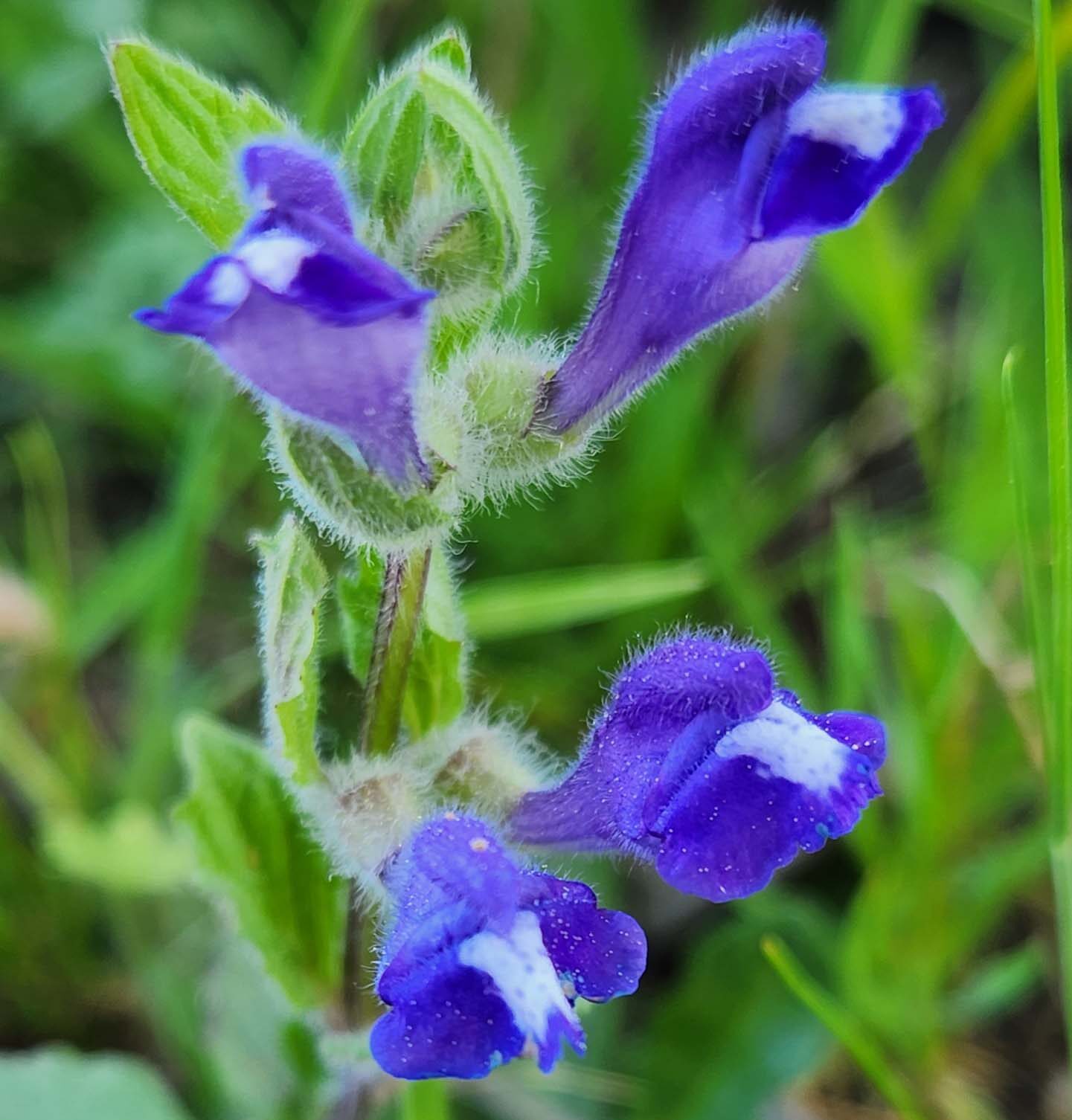
Upper Salt Creek showcased abundant examples for each color category. We admired the many blue/purple blooms of bluedicks (Dipterostemon capitatus), nightshade (Solanum sp.), Danny’s skullcap (Scutellaria tuberosa), and lupine (Lupinus sp.), accompanied by swaths of yellow flowers including western buttercups (Ranunculus occidentalis), fiddlenecks (Amsinckia sp.), American yellowrocket (Barbarea orthoceras), bladder lomatium (AKA foothill desert-parsley; Lomatium utriculatum), mule’s-ears (Wyethia sp.), California poppy (Eschscholzia californica), and foothill poppy (Eschscholzia caespitosa). Woven throughout were many plants featuring white or cream-colored blooms, namely white brodiaea (Triteleia hyacinthina), popcorn flower (Plagiobothrys sp.), manroot (Marah sp.), poison oak (Toxicodendron diversilobum), and buckbrush (Ceanothus cuneatus). And for team red and pink, we noticed warrior’s plume (Pedicularis densiflora), Henderson’s shooting-stars (Primula hendersonii), and purple sanicle (Sanicula bipinnatifda).
After mugging for the camera on one of the bridges, we headed back to the parking lot enjoying each other’s conversation. While many environmental issues we face today leave individuals feeling helpless, the plight of native plants and pollinators has fairly accessible solutions: plant more native plants, remove invasive species, and lay off the pesticides. It’s even more joyful and beneficial if your neighbors join you to create a wildlife corridor. Happy spring! ~Juliet Malik